Federal Energy Regulatory Commission (FERC)
The Federal Energy Regulatory Commission is an independent agency that regulates the interstate transmission of electricity, natural gas and oil; reviews proposals to build LNG terminals and interstate natural gas pipelines; and licenses hydropower projects. FERC also oversees operations of regional wholesale electricity and natural gas markets and oversees the reliability of the bulk electric system.
SPP
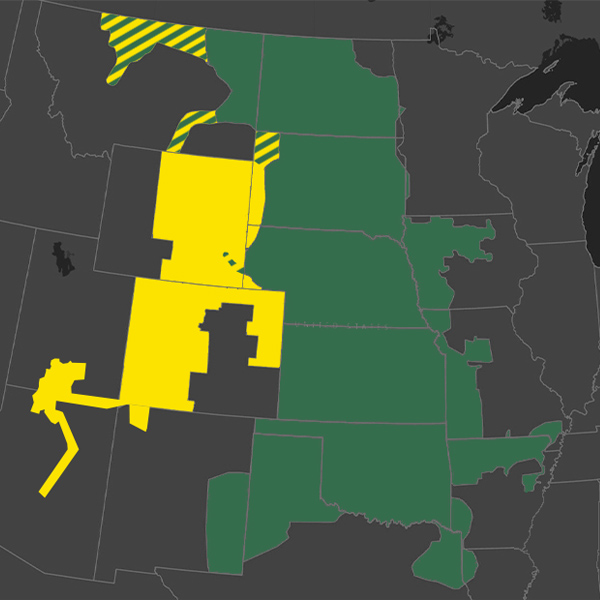
FERC accepted SPP’s revisions to its WEIS market tariff related to the residual supply index and ensuring that affiliated market participants’ resources are evaluated together.

Mike Jacobs
Just as PJM negotiated provisions for data centers, they must do the same for battery storage. PJM’s next Order 2023 compliance filing is the time to make this change, says the Union of Concerned Scientists' Mike Jacobs.

Entergy
FERC sanctioned a partial settlement to resolve many of the New Orleans City Council's longstanding complaints over management of the Grand Gulf Nuclear Station.

© RTO Insider LLC
SPP assuaged potential Markets+ participants that FERC's deficiency filing and other recent developments have not hindered its commitment to Western expansion.

© RTO Insider LLC
FERC established settlement judge procedures in response to a waiver request from a generator seeking to exit ISO-NE’s inventoried energy program and refund the net revenues received from the program.
Eversource
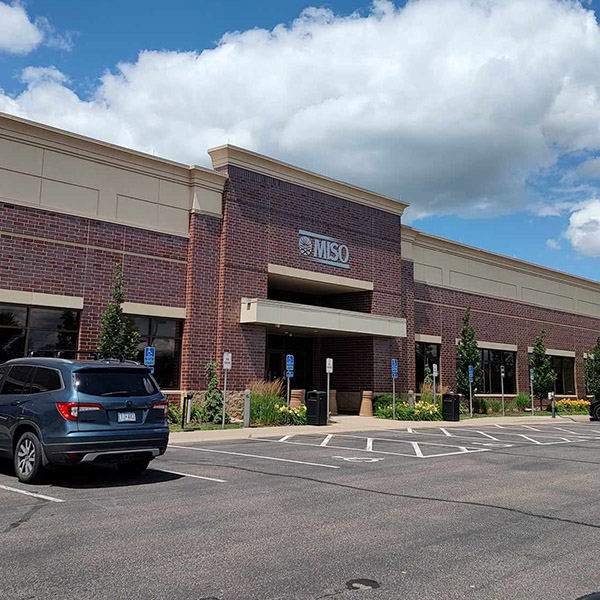
CAISO CEO Elliot Mainzer, ERCOT CEO Pablo Vegas and MISO's Todd Hillman joined a USEA webinar to discuss grid reliability amid increases in extreme weather and load growth.
© RTO Insider LLC
The Sierra Club, Natural Resources Defense Council and the Sustainable FERC Project are seeking a rehearing of MISO’s sloped demand curve in its capacity auction.

SPP
SPP’s Markets+ hit a snag after FERC issued a deficiency letter outlining 16 problems the RTO must address in the tariff it filed for the proposed Western day-ahead market in March.
Sandia National Laboratories
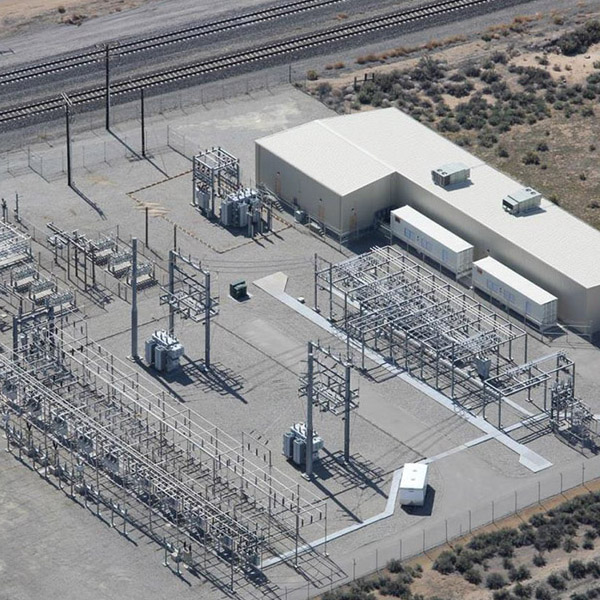
FERC accepted CAISO’s proposal to allow for storage resources to bid above the ISO’s $1,000/MWh soft offer cap in the real-time market to account for their intraday opportunity costs.
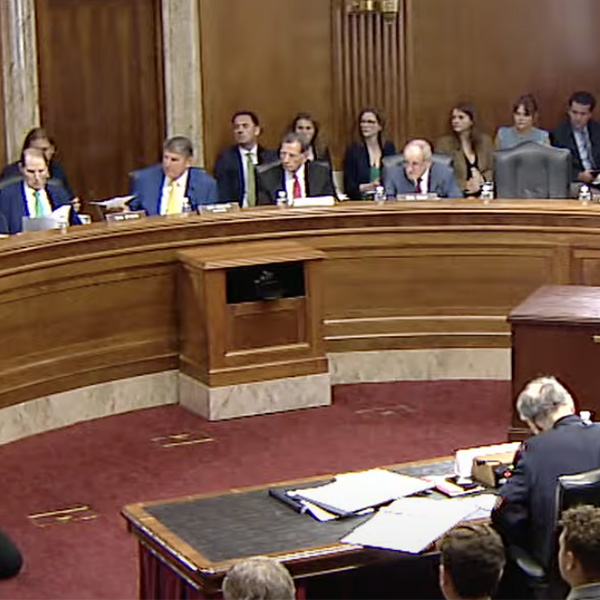
Senate Energy and Natural Resources Committee
The Senate Energy and Natural Resources Committee voted 15-4 to advance the Energy Permitting Reform Act of 2024 to the floor.
Want more? Advanced Search