
Federal Energy Regulatory Commission (FERC)
The Federal Energy Regulatory Commission is an independent agency that regulates the interstate transmission of electricity, natural gas and oil; reviews proposals to build LNG terminals and interstate natural gas pipelines; and licenses hydropower projects. FERC also oversees operations of regional wholesale electricity and natural gas markets and oversees the reliability of the bulk electric system.
Basin Electric Power Cooperative
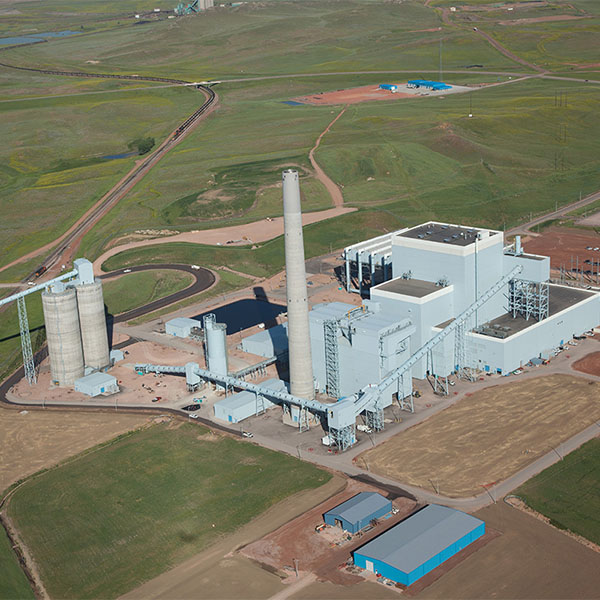
FERC approved an SPP tariff revision designed to accelerate the addition of new generation by quickly adding shovel-ready incremental capacity at existing generating sites.

© RTO Insider LLC
The Independent Market Monitor filed a complaint asking FERC to determine that PJM has the authority to hold off on large load interconnections if they would jeopardize transmission security or resource adequacy.
Amazon
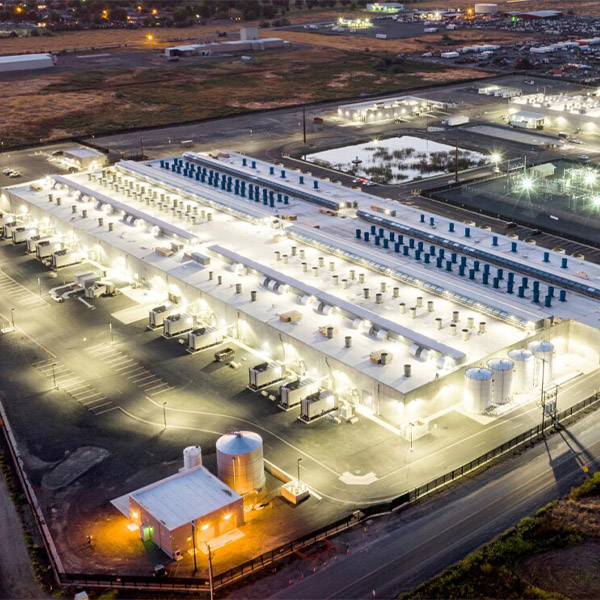
FERC approved a transmission security agreement between PECO Energy and Amazon for a data center planned in Falls Township, Pa.

Ameren Illinois
FERC dismissed Ameren’s bid to gain exclusive rights to build nearly $2 billion of MISO regional transmission projects in the state free of competitors.

Shutterstock
FERC approved MISO’s proposal to increase the number of generation projects it may study under its expedited interconnection queue lane from 10 to 15 per quarter.

Shutterstock
NERC and other commenters on two NOPRs supported the ERO's proposed changes to the critical infrastructure protection standards.
© RTO Insider LLC
FERC granted CAISO's request to remove the sunset date on the Western Energy Imbalance Market Assistance Energy Transfer feature, which has been used by more than 10 of the market’s balancing area authorities in recent years.
Google
The U.S. is facing an unprecedented wave of demand growth. Competition between states and FERC is not the answer. Cooperation is, says Nick Myers of the Arizona Corporation Commission.
© RTO Insider
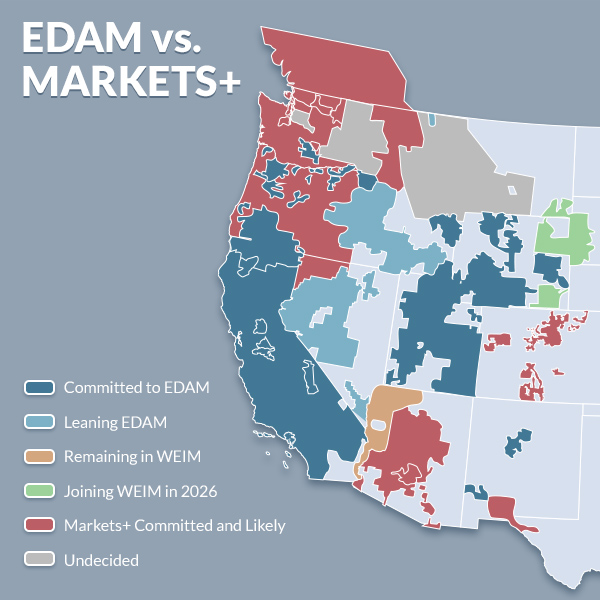
A new FERC report adds to the growing body of work showing the complexity of confronting the seams issues likely to arise between the West’s two day-ahead markets when compared with challenges at the borders between RTOs and ISOs in the Eastern U.S.
© RTO Insider LLC
FERC largely approved compliance filings by three California investor-owned utilities related to interconnection queue requirements.
Want more? Advanced Search
