New England Power Pool (NEPOOL)
ISO-NE
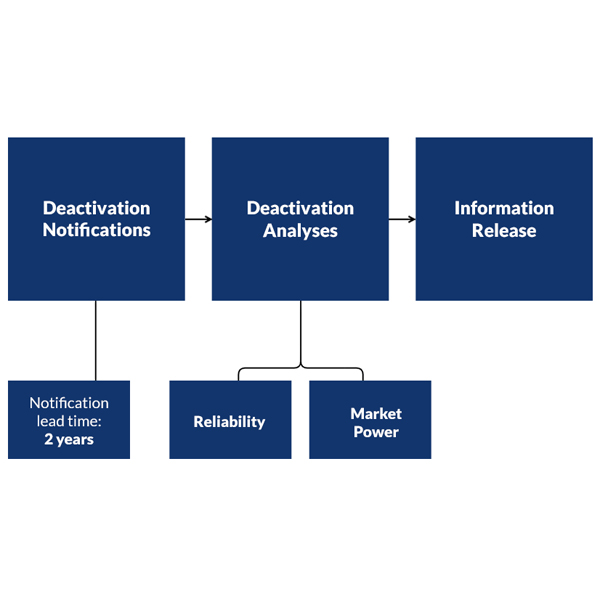
ISO-NE plans to decouple resource retirements from the capacity auction process and adopt a two-year notification timeline for retiring generators, the RTO told stakeholders at the NEPOOL Markets Committee.

ISO-NE
ISO-NE’s total energy market value reached about $1 billion in December — more than double the total value of the market in December 2024 — due to lower temperatures and increased natural gas prices.

© RTO Insider LLC
ISO-NE’s multiyear effort to overhaul its forward capacity market likely will continue to dominate ISO-NE and NEPOOL work in 2025.
Calpine
ISO-NE continued work with stakeholders on its capacity auction reform project at the NEPOOL Markets Committee meeting, previewing 2025 discussions on the transition to a prompt capacity auction.
© RTO Insider LLC
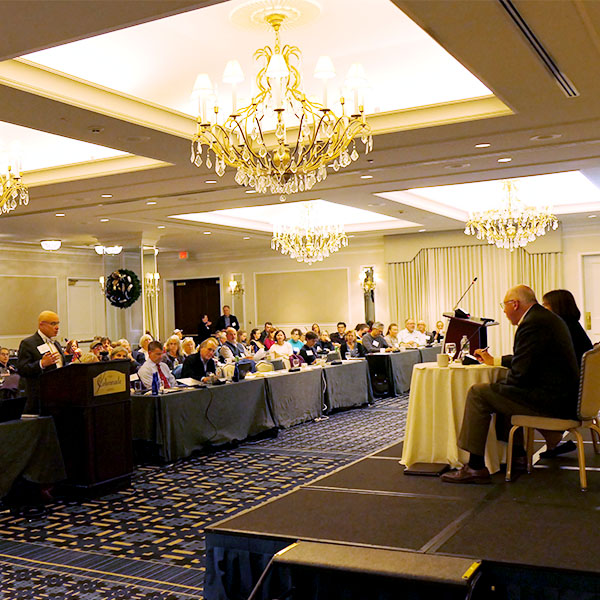
At ISO-NE's quarterly Consumer Liaison Group meeting, climate activists asked board members to make all board meetings open to the public and advocated for more transparency into NEPOOL proceedings.

© RTO Insider LLC
FERC Commissioner Judy Chang emphasized the importance of demand response, long-term transmission planning and gas-electric coordination in her address to the NEPOOL Participants Committee meeting.
ISO-NE
ISO-NE’s regional energy shortfall threshold will rely on a pair of metrics intended to capture the intensity and duration of energy shortfall risks in extreme weather scenarios, the RTO told the NEPOOL Reliability Committee.
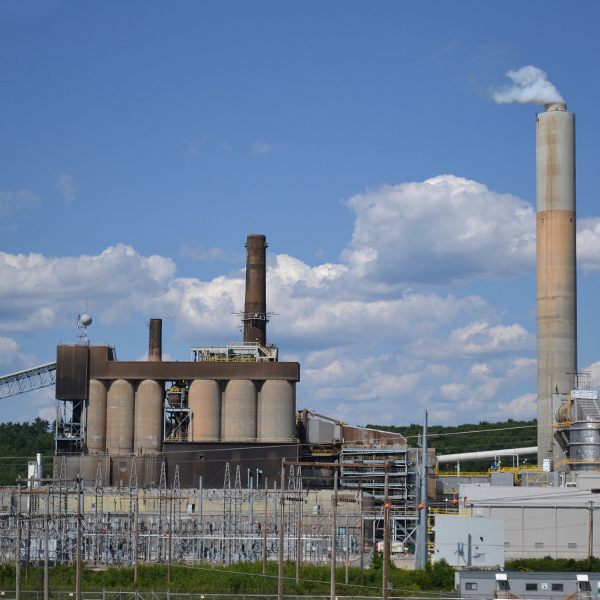
SayCheeeeeese, CC0 1.0 Public Domain, via Wikipedia
ISO-NE reiterated its plans not to include in its capacity auction reform project the development of ambient temperature modeling capabilities or a new simultaneous seasonal auction clearing engine.

© RTO Insider LLC
ISO-NE projects shortfall risks from extreme weather events to be manageable this winter and expects market mechanisms to provide relief by encouraging fuel conservation and replenishment.
© RTO Insider LLC
An ongoing labor dispute at the hotel hosting ISO-NE’s annual open board meeting drove sparse attendance and harsh criticism from members of consumer and climate advocacy groups.
Want more? Advanced Search