renewable portfolio standard (RPS)
CPUC
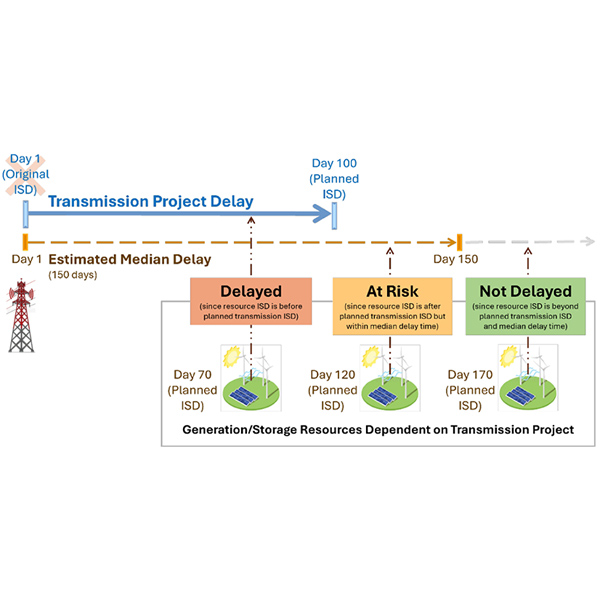
California continues to add in-state renewable energy resources, but the transmission upgrades needed to bring those projects online have been lagging behind, according to the Public Utilities Commission.
American Clean Power Association
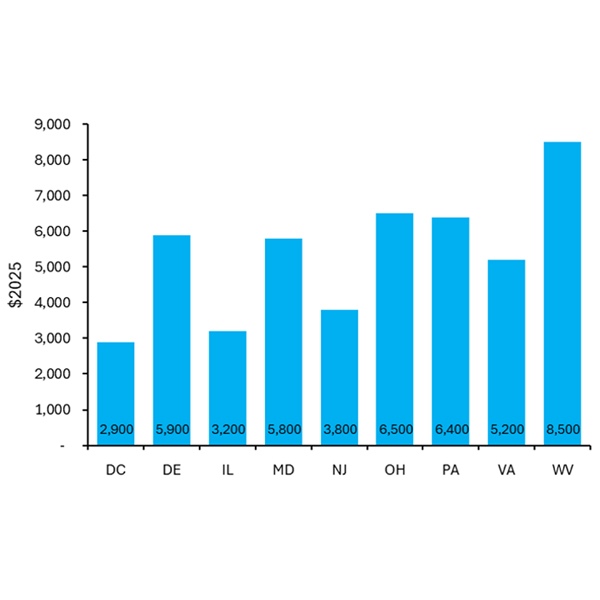
A report from the American Clean Power Association argues that slowing down renewable development in PJM could cost ratepayers $360 billion over the next decade.
NV Energy
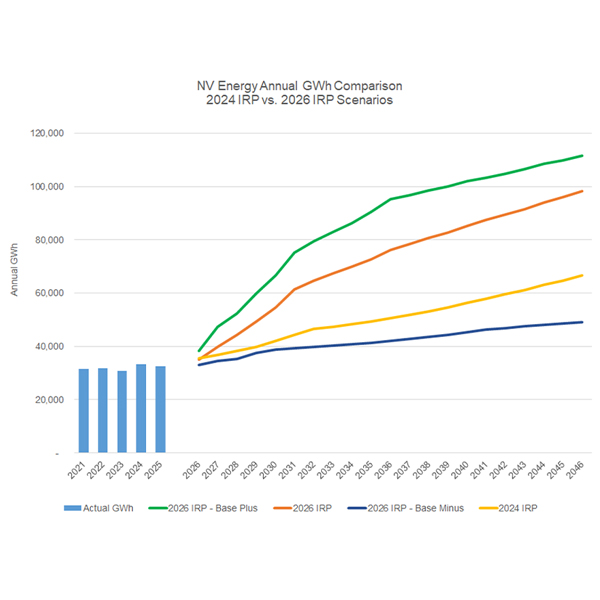
Facing surging electricity demand from data centers and artificial intelligence, NV Energy might soon be struggling to meet Nevada's renewable portfolio standard.
Lawrence Berkeley National Lab and Brattle Group
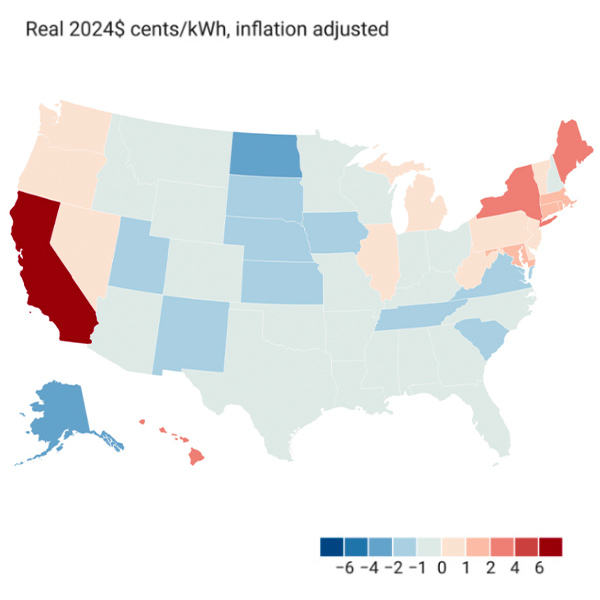
The Lawrence Berkeley National Laboratory released a paper recently examining why some states have seen retail power prices rise faster than inflation.

APS
Arizona regulators are moving toward a repeal of a renewable energy standard for utilities, saying the mandate has cost ratepayers billions of dollars since it was adopted in 2006.

ERCOT
ERCOT’s Technical Advisory Committee held its first meeting of 2025 on Jan. 22, with the biggest chunk of the meeting devoted to discussing the grid operator’s proposed market design framework.

Shutterstock
The rising opposition to the Maryland Piedmont Reliability Project, a 67-mile, 500-kV transmission line, and general dissatisfaction with PJM and utility grid planning and interconnection policies, are driving new bills in the General Assembly.

EMC Enineering Services
As clean energy development challenges in New England have mounted over the past several years, Massachusetts agencies are facing a massive influx of alternative compliance payments from electricity suppliers to meet the state’s array of clean electricity standards.
Lawrence Berkeley National Laboratory
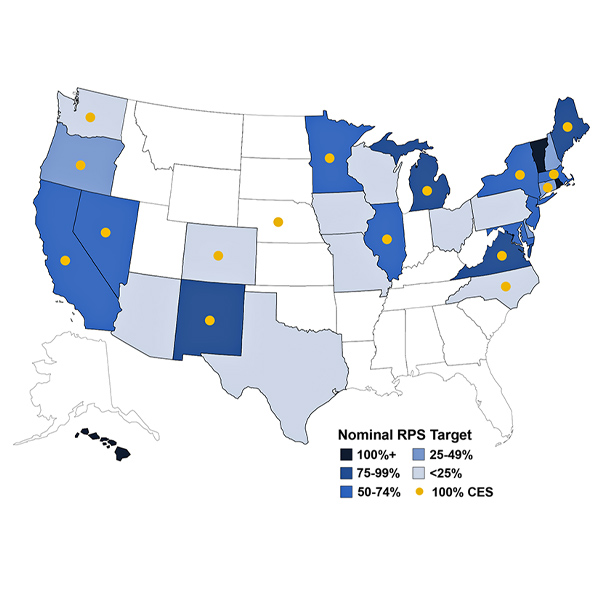
A new report finds that the percentage of renewable energy generation additions associated with renewables portfolio standards has declined since the start of this century as development increased.

Shutterstock
The D.C. Council has approved a bill aimed at electrifying 30,000 low-income homes across the district by 2040, but a fight is brewing over funding for the program.
Want more? Advanced Search