
State & Regional
AlabamaAlaskaArizonaArkansasCaliforniaColoradoConnecticutDelawareDistrict of ColumbiaFloridaGeorgiaHawaiiIdahoIllinoisIndianaIowaKansasKentuckyLouisianaMaineManitobaMarylandMassachusettsMichiganMinnesotaMississippiMissouriMontanaNebraskaNevadaNew HampshireNew JerseyNew MexicoNew YorkNorth CarolinaNorth DakotaOhioOklahomaOntarioOregonPennsylvaniaRhode IslandRTO-IndianaSouth CarolinaSouth DakotaTennesseeTexasUtahVermontVirginiaWashingtonWest VirginiaWisconsinWyoming

Shutterstock
A growing interest in grid flexibility looks beyond demand management to accommodate and balance distributed generation and loads.
Fred. Olsen Windcarrier
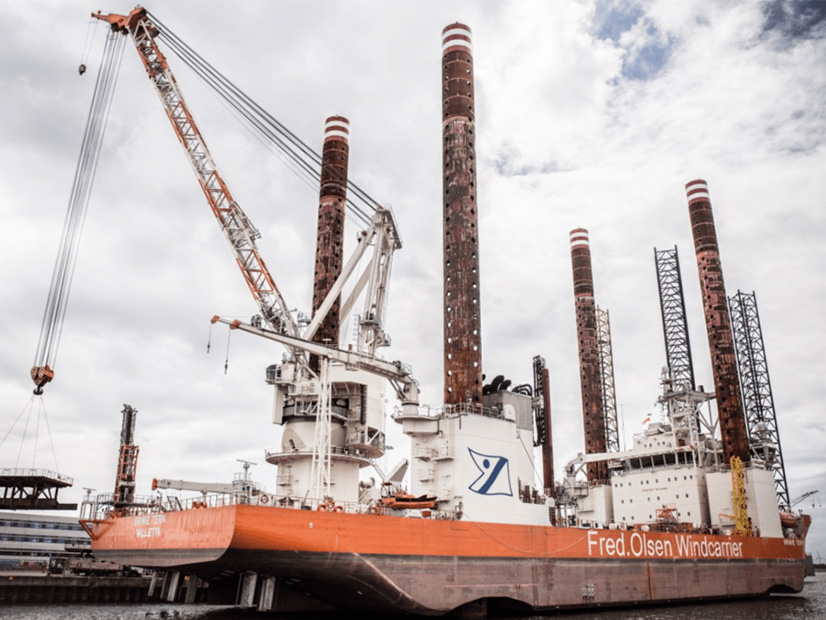
The needs of European Offshore Wind developers will constrain availability severely for wind turbine installation vessels that could serve the U.S. market.
New Jersey Board of Public Utilities
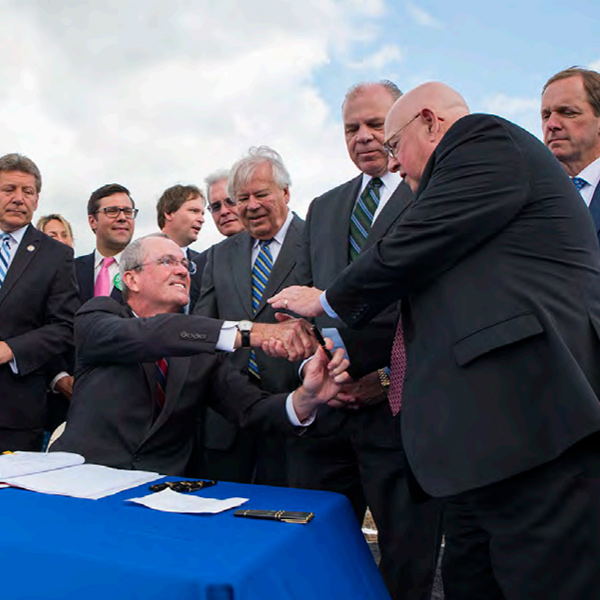
The NJ Senate voted to codify the state's goal of 50% renewable power by 2030 to ensure it remains in place if Gov. Phil Murphy isn't reelected in November.
Texas PUC
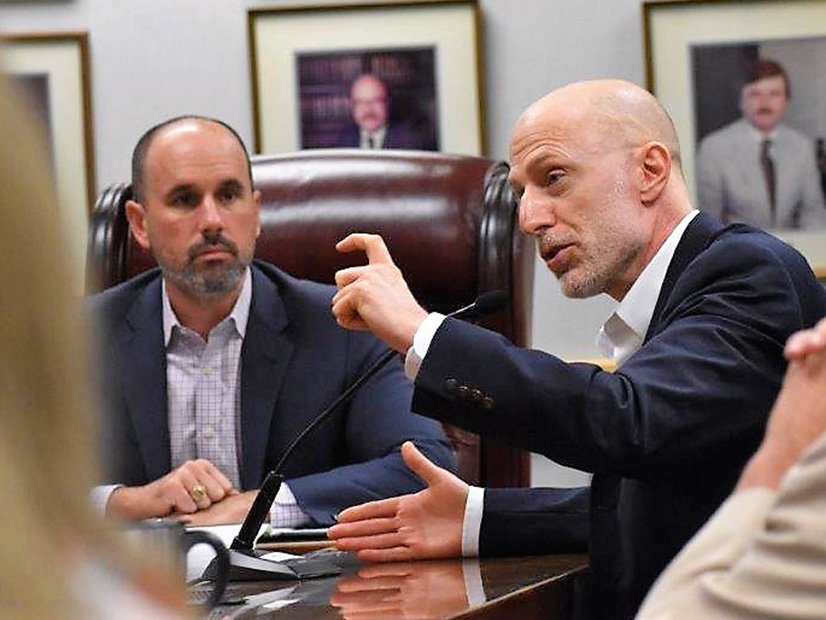
Texans responding to ERCOT's call for conservation helped the embattled grid operator survive another week of tight conditions.

Minneapolis Water Works
A study found that energy conservation practices at Minnesota's water plants could save as much as 42 million kWh of electricity annually, a 14% reduction.
Utah Office of Energy Development and S&P Global Market Intelligence
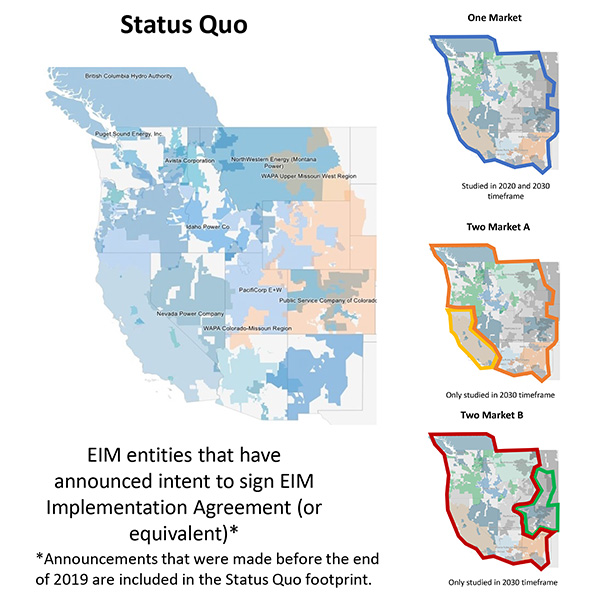
The development of a single RTO covering the U.S. portion of the Western Interconnection could save $2 billion a year in energy costs by 2030, study says.

Shutterstock
Last week, Raab Associates’ New England Electricity Restructuring Roundtable had a panel discussion on the role of utility regulation in decarbonization.

© RTO Insider LLC
The Public Utilities Commission of Nevada said a Western market would help alleviate supply shortfalls like those that occurred last August.

Shutterstock
Sen. Michael Barrett has suggested that the Mass. Energy Efficiency Advisory Council start over on its current 200-page draft three-year plan.

Heatilator
Hydrogen or renewable natural gas pilot projects will affect ratepayers and should be “rooted out” in rate cases, according to the Environmental Defense Fund.
Want more? Advanced Search
