Resources
Demand ResponseDistributed Energy Resources (DER)Energy EfficiencyEnergy StorageBattery Electric StorageOther Electric StorageGenerationCoalGeothermalHydrogenHydropowerNatural GasNuclear PowerOffshore WindOnshore WindOperating ReservesRooftop/distributed SolarUtility-scale SolarResource Adequacy

Portland General Electric
One of the first items the yet-to-be-seated board of the Regional Organization for Western Energy could decide on is whether to administer a resource adequacy program, as backers seek to have a proposal in place later in 2026.
Shutterstock
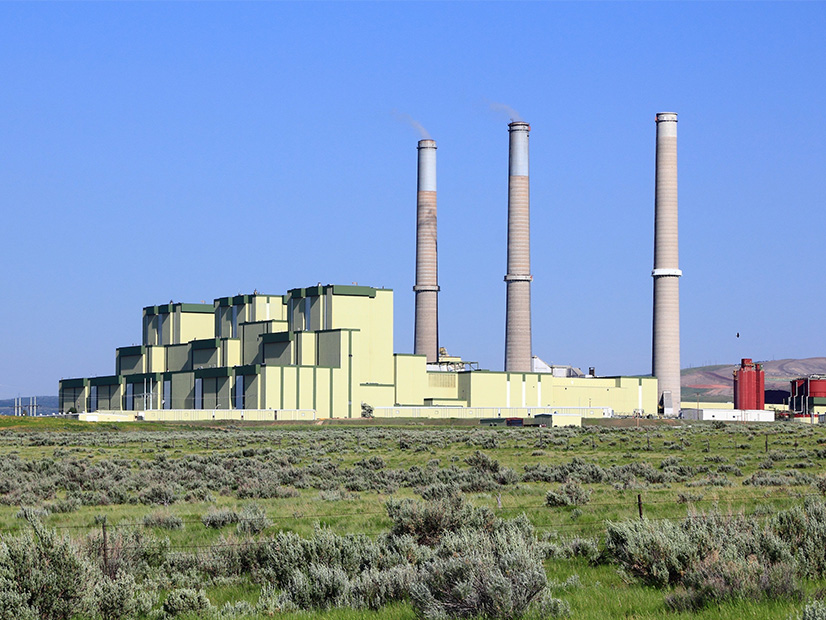
Challenges are piling up to Trump administration orders to keep retiring coal plants online, as the Colorado attorney general and environmental groups have filed petitions to overturn an extension of Craig Station Unit 1.
Astoria Generating Company
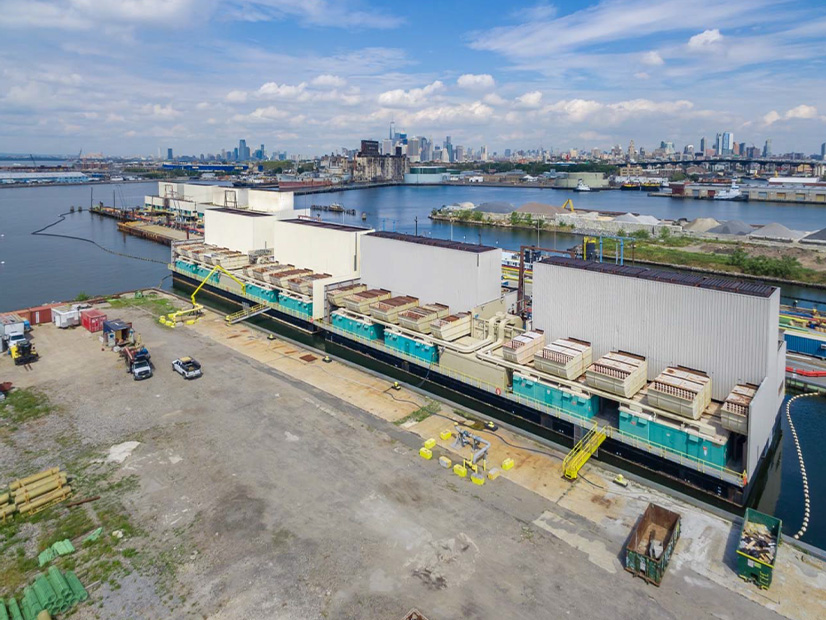
Alpha Generation, owner and operator of the Gowanus and Narrows floating power plants in New York City, has proposed replacing the six peaking units with three lower-emitting ones in response to Consolidated Edison’s solicitation for solutions to the city’s reliability need.
National Laboratory of the Rockies
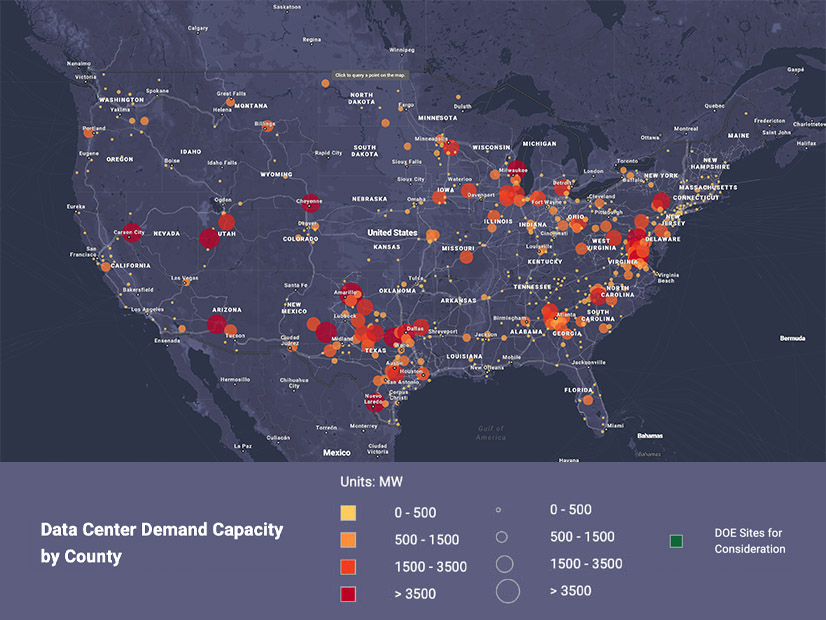
A new study quantifies some of the benefits that could come from more fully using the existing capacity of the grid before expanding the grid to meet demand growth from data centers and other large loads.
© RTO Insider
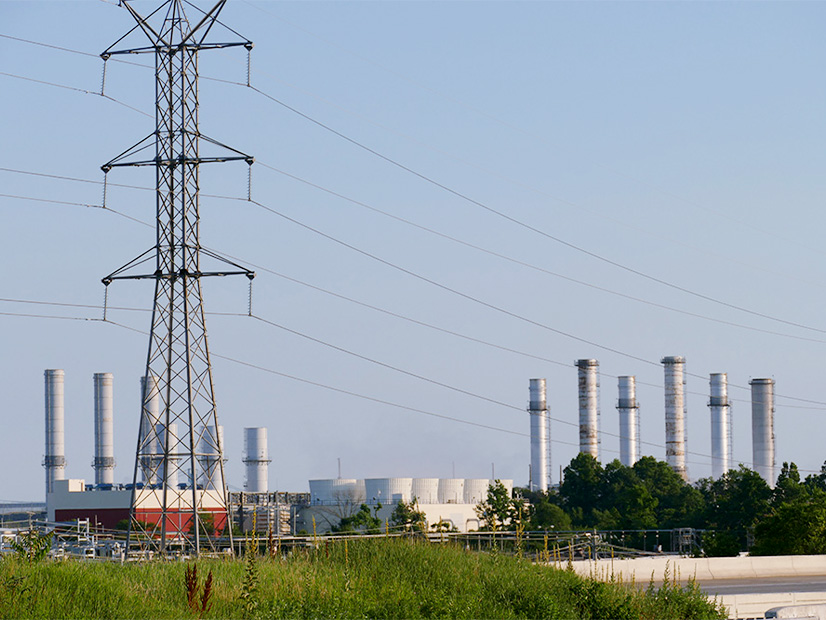
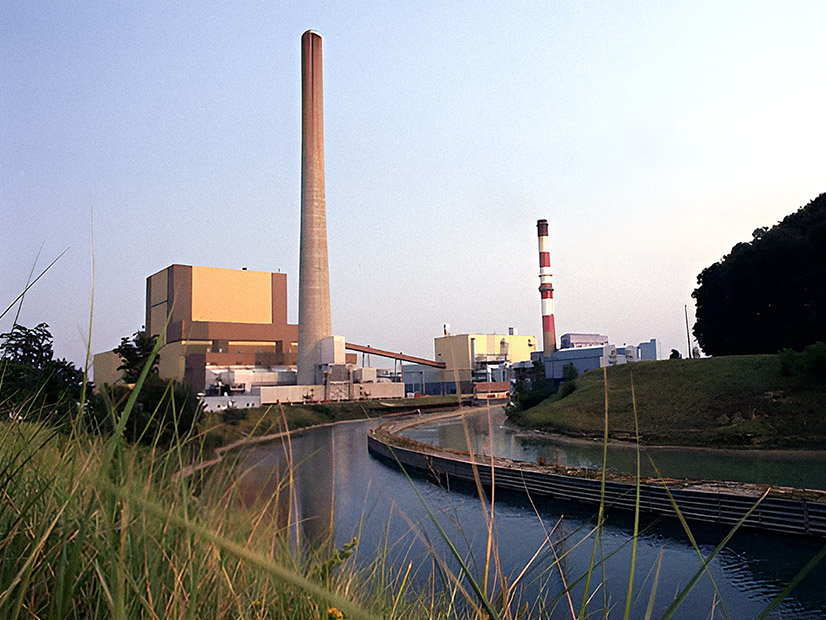
The agreement announced March 18 is valued at $5 billion before closing adjustments, or approximately $1,142/kW of capacity.
Michigan Public Power Agency
The Department of Energy argued its use of Section 202(c) of the Federal Power Act to keep retiring power plants online is well within its authority in response to an ongoing emergency on the grid.

Meta
New Jersey legislators backed a bill that would require operators of AI data centers and crypto mining facilities to run them with clean energy and submit an energy use plan to the state.
Sterling Industrial
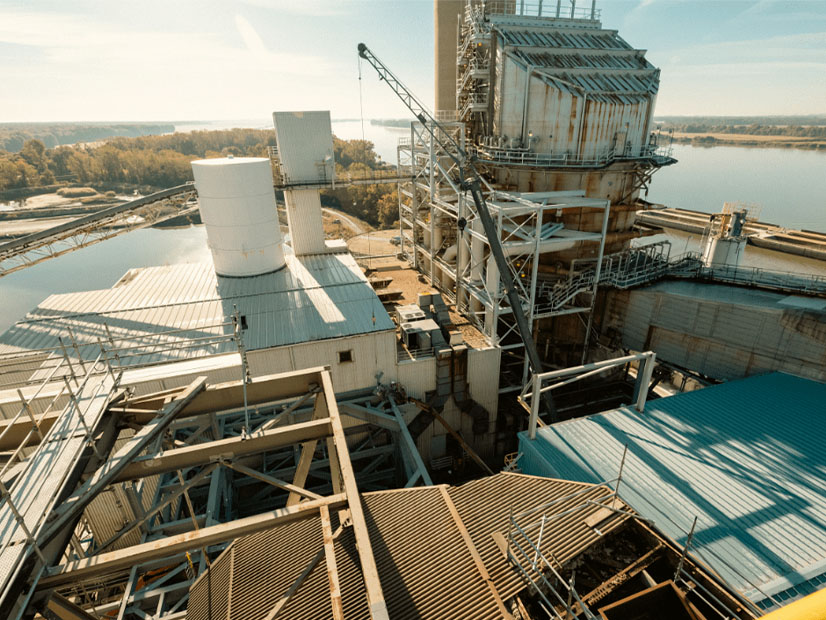
Public interest organizations have taken their challenge of the Department of Energy’s emergency orders keeping two Indiana coal plants operating past their planned retirement dates to the D.C. Circuit Court of Appeals.

LADWP
Participants in CAISO’s Extended Day-Ahead Market likely would remain subject to the market’s daily resource sufficiency evaluation even if they joined a new resource adequacy program that’s being crafted.
Grid Strategies
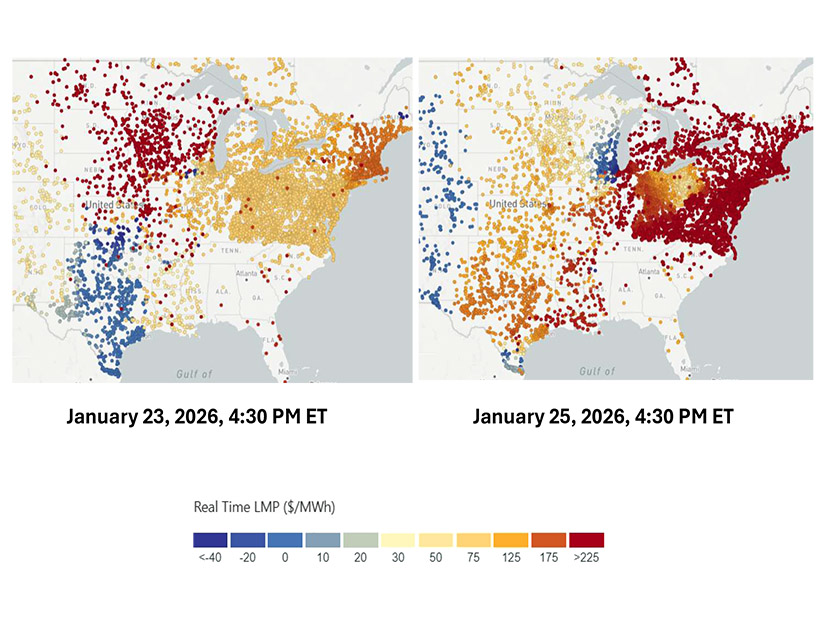
NERC CEO Jim Robb said in congressional testimony that while the bulk power system made it through the late January winter storm reliably, the weather highlighted how at risk it is.
Want more? Advanced Search