Resource Adequacy
Resource adequacy is the ability of electric grid operators to supply enough electricity at the right locations, using current capacity and reserves, to meet demand. It is expressed as the probability of an outage due to insufficient capacity.
QTS
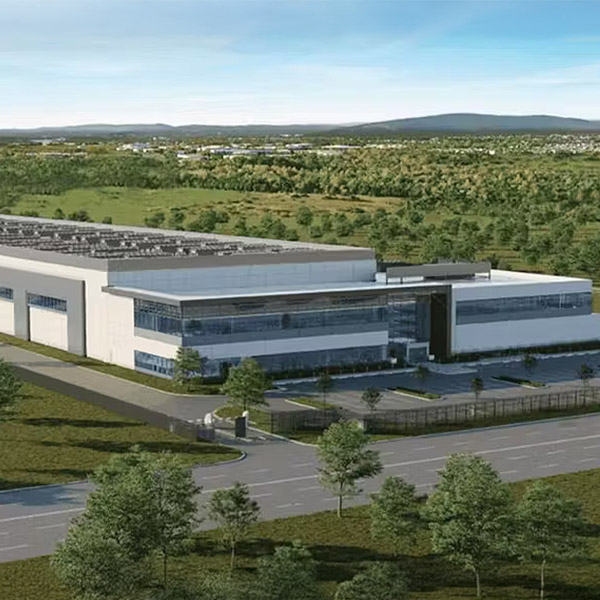
MISO is taking load updates and stakeholder suggestions as part of a pilot program to improve its long-term load forecasting.
OPPD
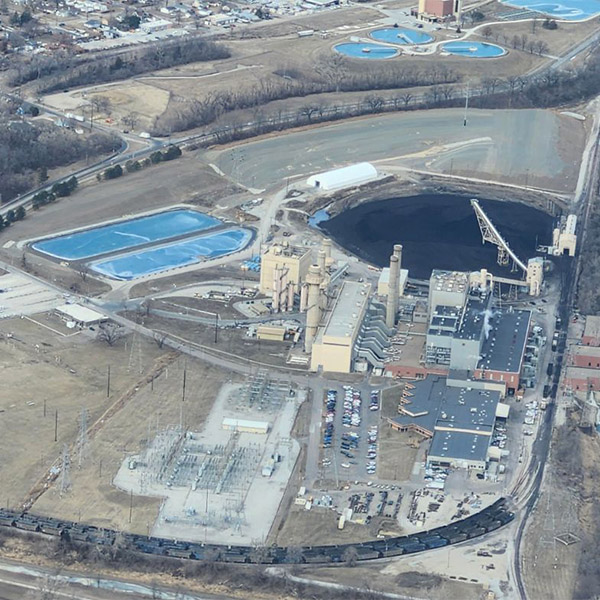
Nebraska’s attorney general is suing the state’s largest electric utility in an attempt to block partial retirement of an aging coal- and gas-fired power plant.
© RTO Insider
PJM has withdrawn its non-capacity backed load proposal, shifting the focus of its solution for rising large load additions to creating a parallel resource interconnection queue and reworking price-responsive demand.
NYISO
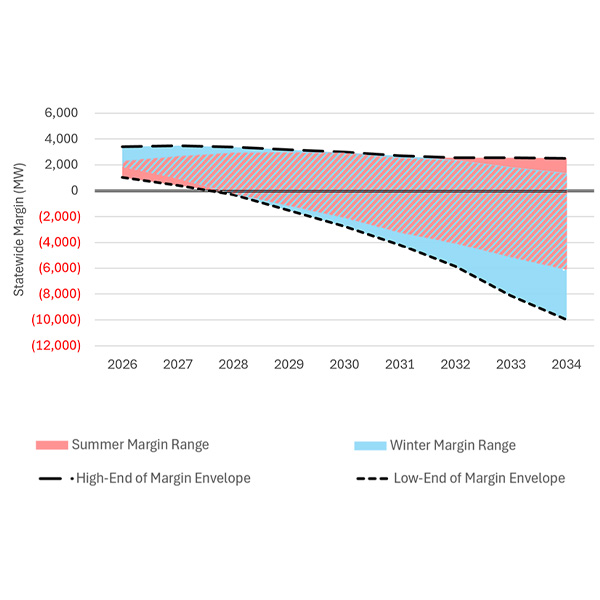
NYISO released an updated draft of its Comprehensive Reliability Plan for 2025-2034 that calls for the acceleration of new generation development and preservation of “critical, dispatchable capability.”
Western Power Pool
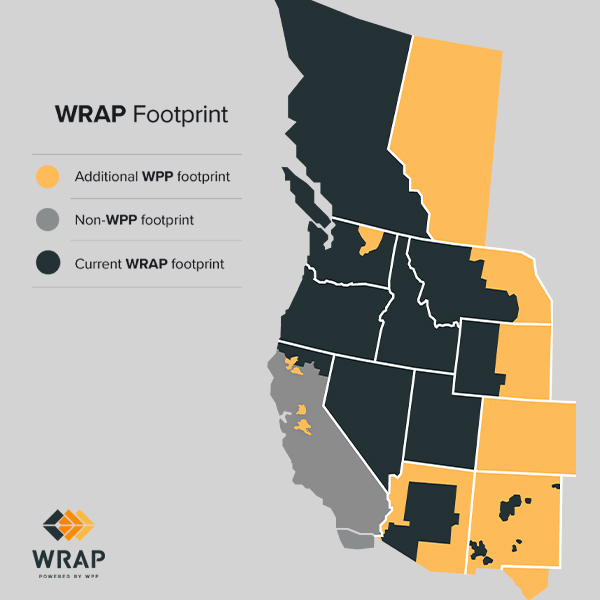
The Western Power Pool’s Board of Directors denied PacifiCorp’s request to postpone the deadline by which Western Resource Adequacy Program participants must commit to the first “binding” phase of the program.
Shutterstock
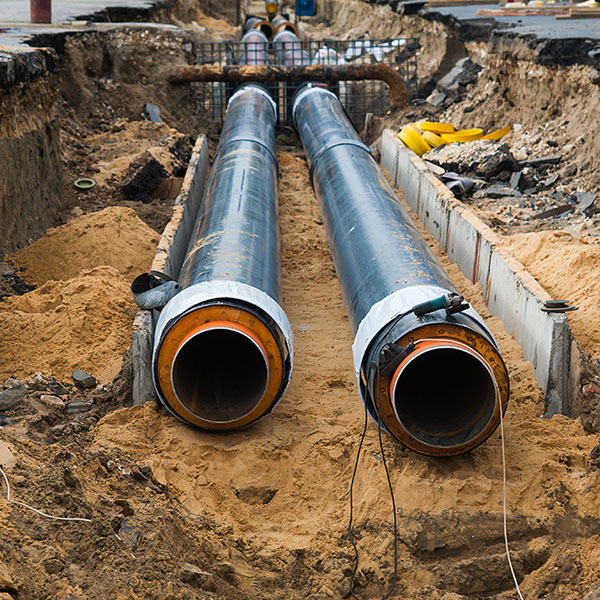
Citing growing demand for power and gas, FERC removed regulations that paused pipeline construction pending appeals after developers said it led to too many delays and costs.
MidAmerican Energy
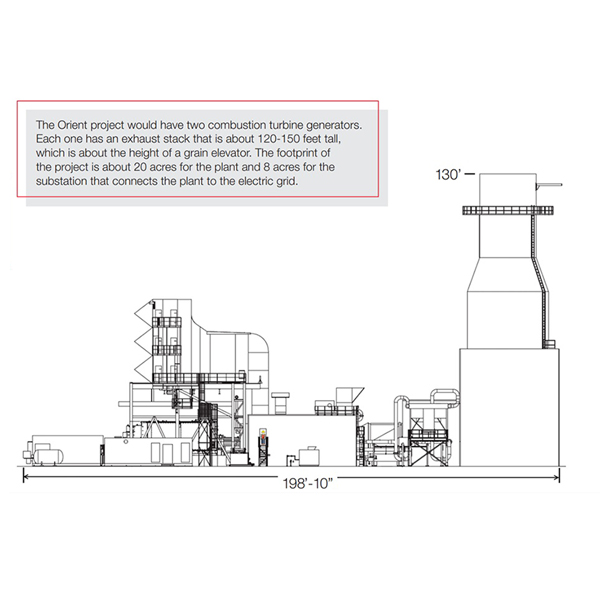
MISO wants to increase the number of generation projects it may study under its interconnection queue express lane from 10 to 15 per quarter.

Shutterstock
Rising demand and power bills are giving an extra push to expand demand-side management programs, but experts said the industry needs to do more to educate consumers to take advantage of the resources.

© RTO Insider
FERC approved Tri-State Generation and Transmission’s request to update a program designed to allow its member utilities more flexibility in how they procure power.

© RTO Insider LLC
The Ontario government’s efforts to align IESO and the Ontario Energy Board to make the province an energy “superpower” was the dominant theme at the 2025 Ontario Energy Conference.
Want more? Advanced Search