ISO New England (ISO-NE)

© RTO Insider
FERC has accepted a compliance filing by ISO-NE and the New England transmission owners eliminating interconnection customers’ responsibility to pay for operations and maintenance costs on interconnection network upgrades.
ISO-NE
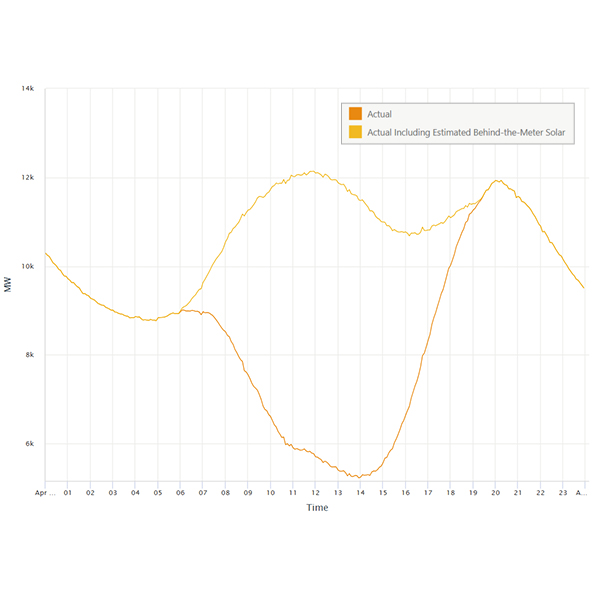
ISO-NE experienced record-low demand on Easter Sunday because of mild temperatures and high behind-the-meter solar output, making 2025 the fourth consecutive year ISO-NE has set a low-load record.
ISO-NE
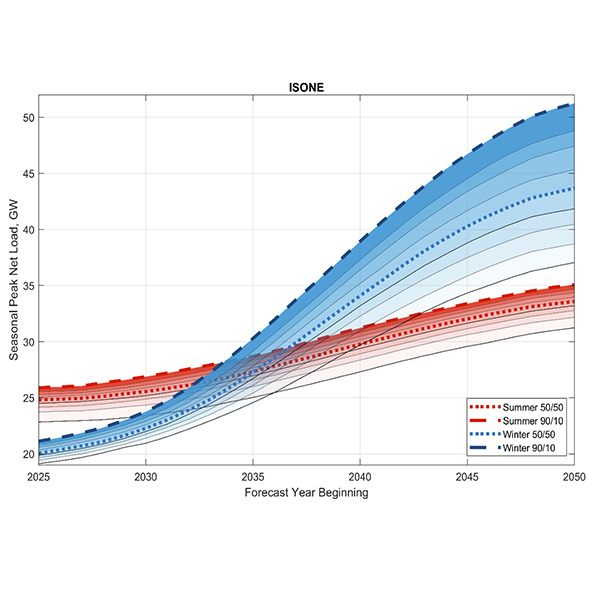
ISO-NE has significantly lowered its peak load and net energy expectations in its final 2025 10-year load forecast but still predicts the region’s peak load to grow by over 2 GW by 2034.
The Brattle Group
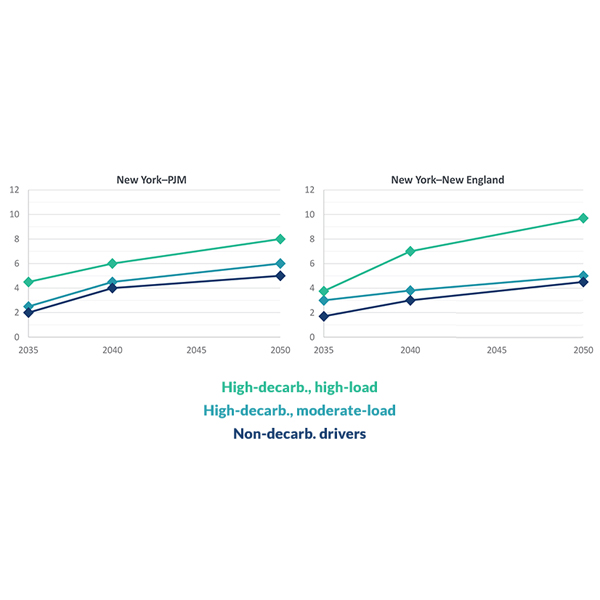
The Northeast States Collaborative on Interregional Transmission released a strategic action plan for creating an interstate planning process for transmission projects that span the seams of their grid operators.
Yes Energy
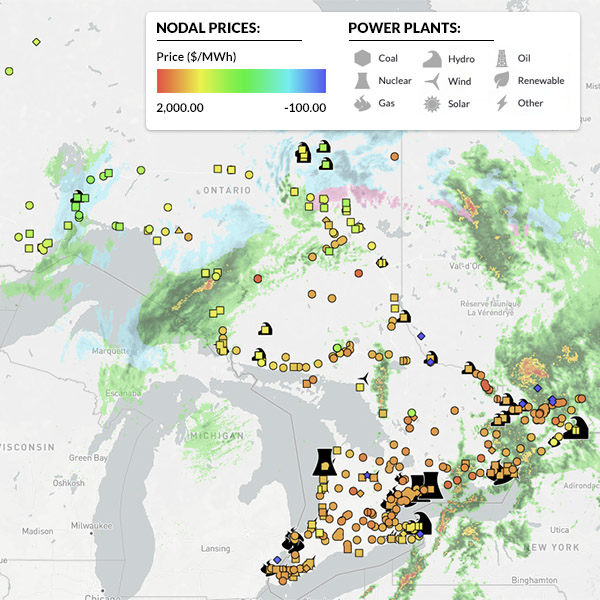
IESO is scheduled to launch its new nodal market May 1, a change it says will save Ontario $700 million over the next decade through reduced out-of-market payments and increased efficiency.
© RTO Insider
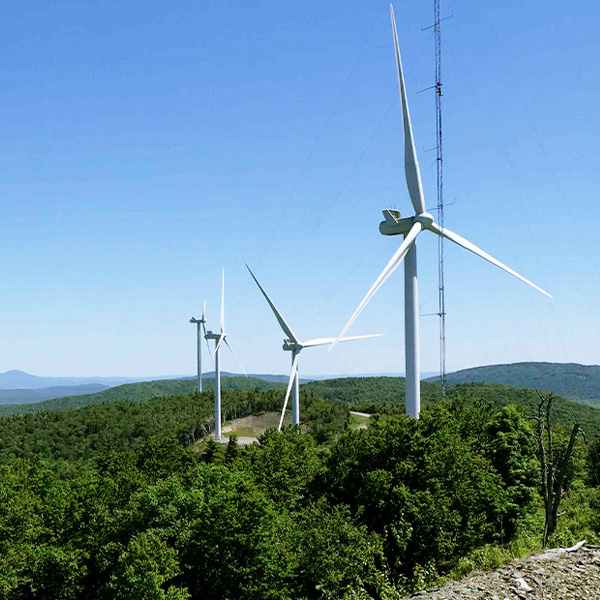
The Maine PUC is seeking feedback and indications of interest for a procurement of generation and transmission capacity to connect at least 1,200 MW of clean energy in Northern Maine to ISO-NE.
National Grid
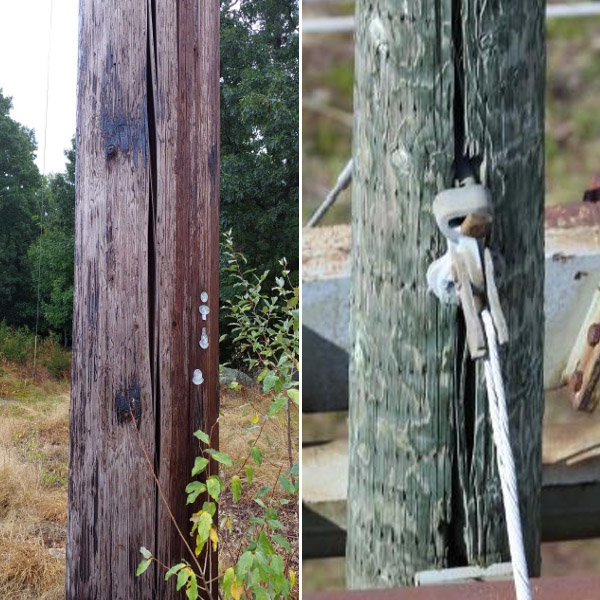
The New Hampshire Office of the Consumer Advocate says National Grid should justify why the reliability needs addressed in its proposals should not be addressed through a competitive procurement process.
© RTO Insider
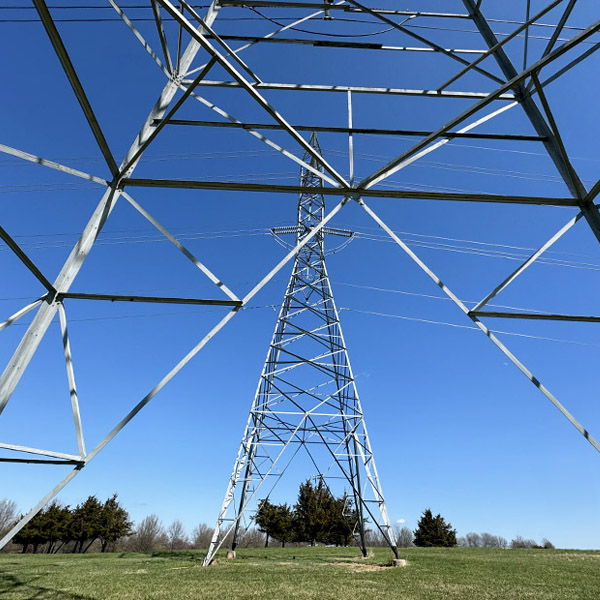
The NEPOOL Transmission and Markets Committees voted to support an ISO-NE proposal to adjust several key dates and deadlines in its compliance proposal for FERC Order 2023.
ISO-NE
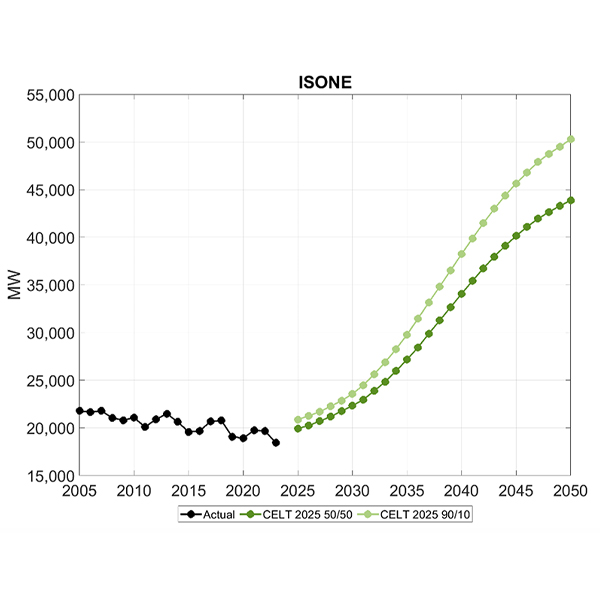
ISO-NE plans to cut its winter peak load projection for 2033 by 7.2% and its summer peak projection by 1.8%, ISO-NE told the NEPOOL Reliability Committee.
© RTO Insider
FERC approved filings by NYISO and ISO-NE authorizing them to collect tariffs on electricity imports from Canada.
Want more? Advanced Search