load forecasting
MISO
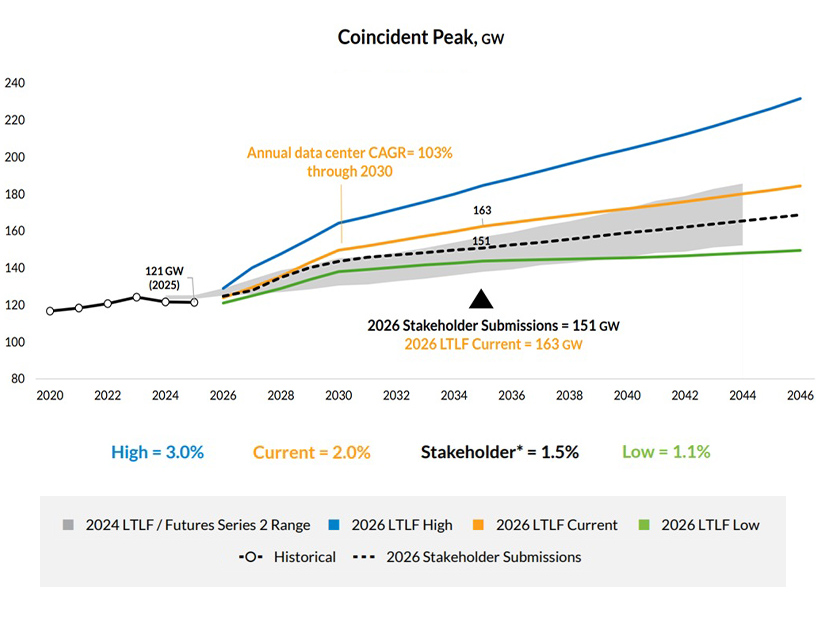
MISO expects to manage a 163-GW demand peak by 2035, and potentially 230 GW by 2046 in a high-demand environment, according to the RTO’s first crack at comprehensive long-term load forecasting.

© RTO Insider
The PJM Operating Committee endorsed manual revisions that included the elimination of a requirement that actual meter test results should be provided to the RTO.

© RTO Insider
PJM presented the Markets and Reliability Committee with a first read on a proposal to establish penalties for load management and price-responsive demand resources that do not perform during pre-emergency events
SPP
At the very moment grid operators are being asked to plan for unprecedented complexity, the public data infrastructure that underpins those decisions is becoming less reliable, writes columnist Dej Knuckey.
NERC
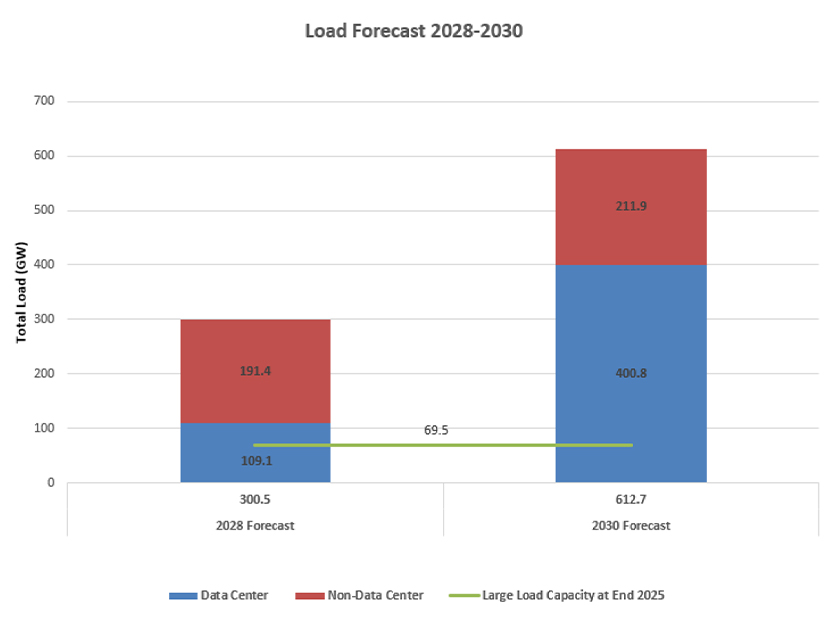
Summarizing the findings from its 2025 Level 2 alert on large loads, NERC warned most entities have not met its recommendations.
NYISO
Gaming by different stakeholders can present regulators with biased forecasts, which would require special regulatory-staff expertise to uncover, warns energy consultant Kenneth W. Costello.
MISO
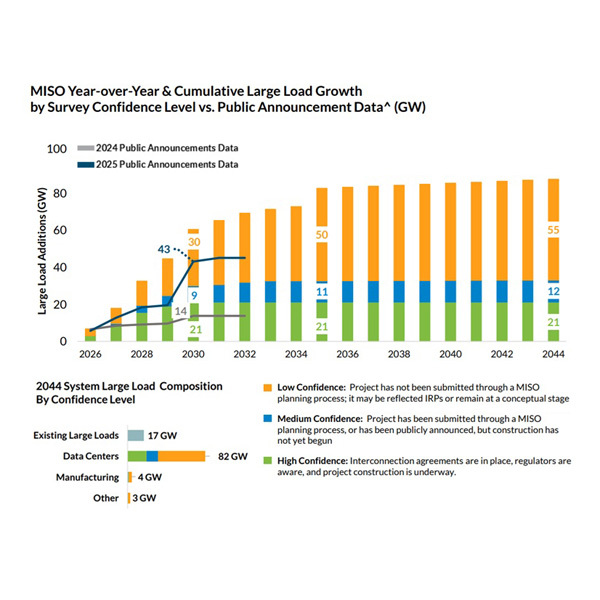
MISO’s inaugural long-term load forecasting survey among its membership uncovered the possibility of 82 GW of data center load additions by 2044.
PPL
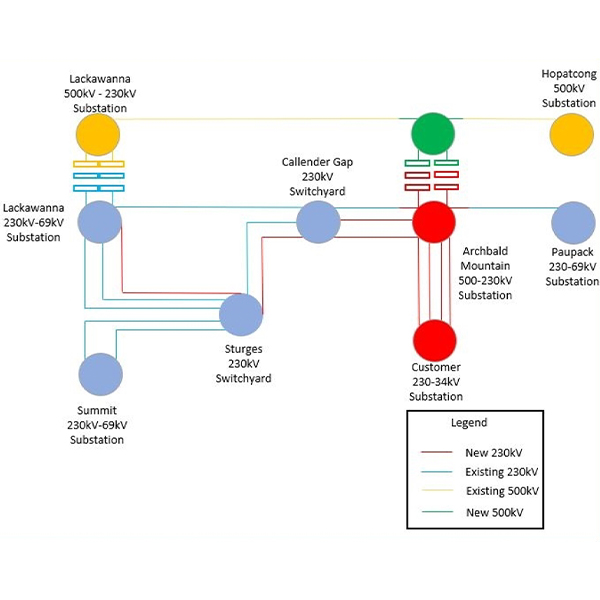
PJM’s Julia Spatafore presented a quick-fix proposal to model battery storage dispatch in Regional Transmission Expansion Plan base cases.
© RTO Insider LLC
MISO has deferred plans for an all-encompassing future-looking assessment that relies on member data after state regulators appeared hesitant about the move.
California Energy Commission
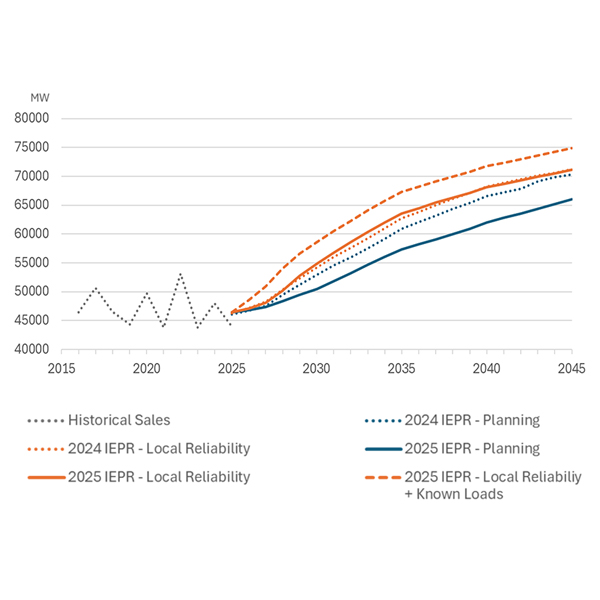
The California Energy Commission signed off on a forecast showing the state's electricity consumption could surge by as much as 61% over the next 20 years, mostly from increased EV adoption.
Want more? Advanced Search