Illustrated by Perplexity
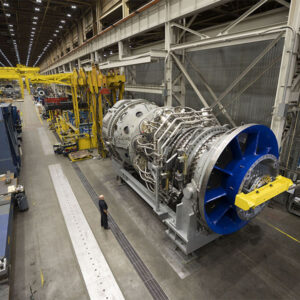
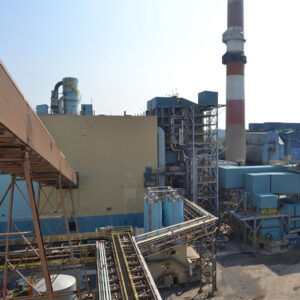
The defining story of the coming year will be the widening chasm between electricity supply and demand, a dynamic driven by a slow-moving supply side, coupled with the explosive growth of energy-hungry data centers, says columnist Peter Kelly-Detwiler.
Northwoods Resort
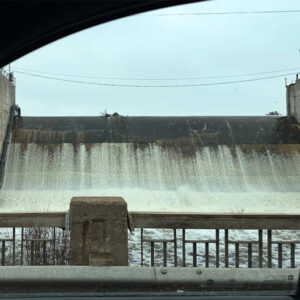
FERC revoked the operating license for a troubled dam in Michigan’s Upper Peninsula, citing a failure to address safety issues that could cost lives and the owner’s loss of land in bankruptcy proceedings.
Jimmy, CC BY-SA 2.0, via Wikimedia Commons
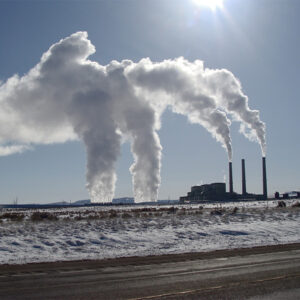
DOE has ordered a non-operational 427-MW coal-fired generator in Colorado to be repaired and remain available for 90 days.

© RTO Insider
Having finally added real-time co-optimization to the market like every other U.S. grid operator with an effort that began in 2019, ERCOT can turn its attention to other pressing issues.
© RTO Insider
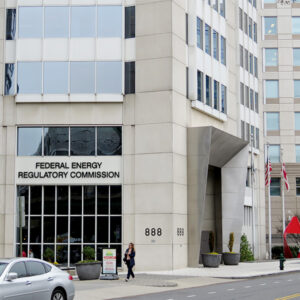
Columnist Steve Huntoon predicts that the independent federal agencies like FERC will survive the Supreme Court’s revisiting of Humphrey’s Executor v. United States.
RTO Insider

© RTO Insider
Heading into 2026, New England is counting on an increasingly collaborative approach to energy policy as federal opposition to renewable energy development threatens affordability, reliability, and decarbonization objectives in the region.
The Extended Day-Ahead Market took center stage at CAISO in 2025 as the ISO tabled other long-term initiatives to ensure the market’s timely launch in May 2026, with PacifiCorp as its first participant.
Reliability concerns in NYISO, including a reliability need in New York City, are likely to dominate discussions in 2026.
ERO Insider
FERC
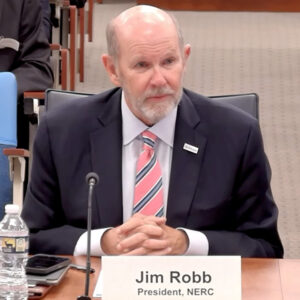
NERC managers say the organization is well positioned to meet a variety of challenges coming in 2026.
IESO released proposed market rule and manual revisions to require synchrophasor data from storage resources.
A federal judge sentenced Peter Karasev to 10 years in prison for bombing transformers owned by Pacific Gas and Electric in 2022 and 2023.
NetZero Insider
Dominion Energy
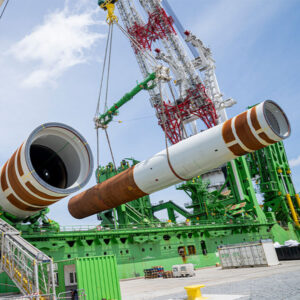
The Trump administration has ordered all offshore wind generation construction halted and has stalled some onshore wind projects.
As NV Energy prepares to file its next integrated resource plan ahead of schedule in April, the company says it will take longer than previously planned to reduce its reliance on short-term market purchases.
The degree of risk and uncertainty springing from indifferent or outright obstructive new federal policies in 2025 has trimmed planned solar deployment.