Resources
Demand ResponseDistributed Energy Resources (DER)Energy EfficiencyEnergy StorageBattery Electric StorageOther Electric StorageGenerationCoalGeothermalHydrogenHydropowerNatural GasNuclear PowerOffshore WindOnshore WindOperating ReservesRooftop/distributed SolarUtility-scale SolarResource Adequacy
ERCOT
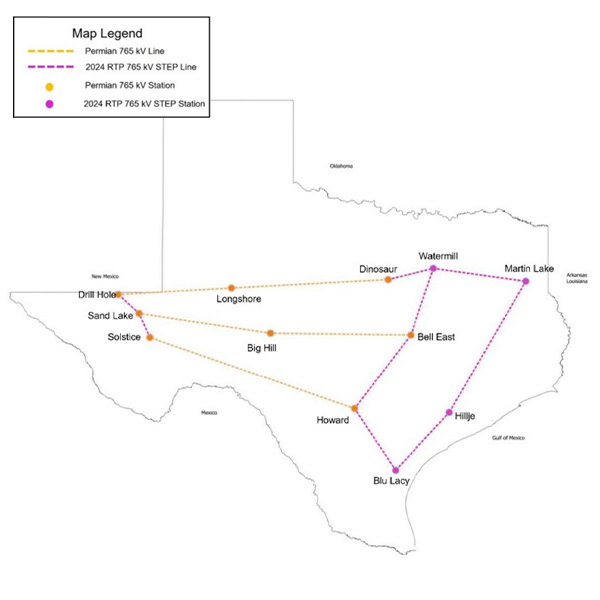
ERCOT stakeholders endorsed a 1,109-mile, single-circuit 765-kV backbone project that is projected to cost nearly $9.4 billion in capital costs, making it the largest initiative in decades.
© RTO Insider LLC
The PJM Markets and Reliability Committee endorsed by acclamation an issue charge to explore how the performance of demand response and price-responsive demand resources can be improved.

© RTO Insider
Energy affordability and regional collaboration dominated talks at the New England-Canada Business Council's annual Executive Energy Conference.
© RTO Insider LLC
FERC largely approved compliance filings by three California investor-owned utilities related to interconnection queue requirements.

Cal State Monterey Bay
The California PUC approved a request to cancel Pacific Gas and Electric’s contract with California State University, Monterey Bay to convert hundreds of the university’s residential units from gas and electric service to all-electric service.
EIA
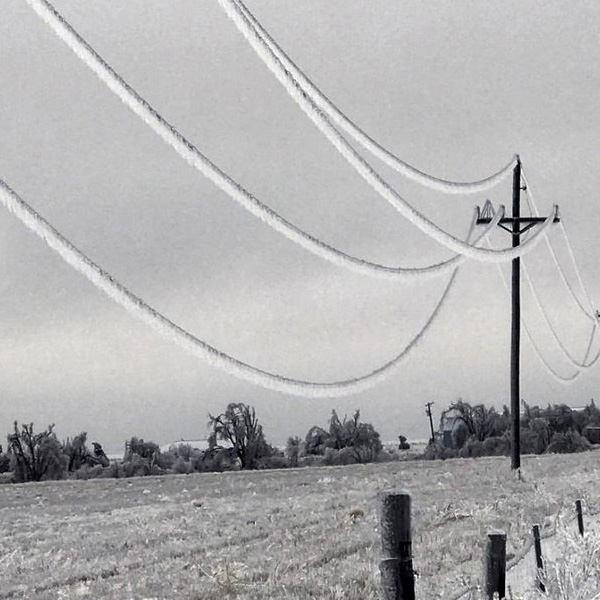
FERC staff warned that severe weather events "could create tight supply conditions" in some areas during the coming winter months.
Xcel Energy
FERC has closed its enforcement investigations into possible unlawful activity related to 2021’s Winter Storm Uri, just a few months before the statute of limitations on the issue is to expire.
Corre Energy/Long Duration Energy Storage Council
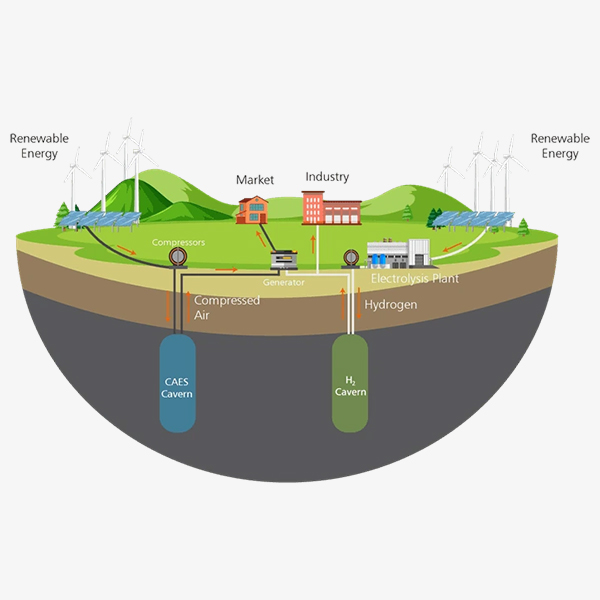
IESO is considering a broader range of long-duration energy storage technologies in its upcoming long lead-time procurement (but will not include hydroelectric redevelopments, officials told stakeholders.
© RTO Insider
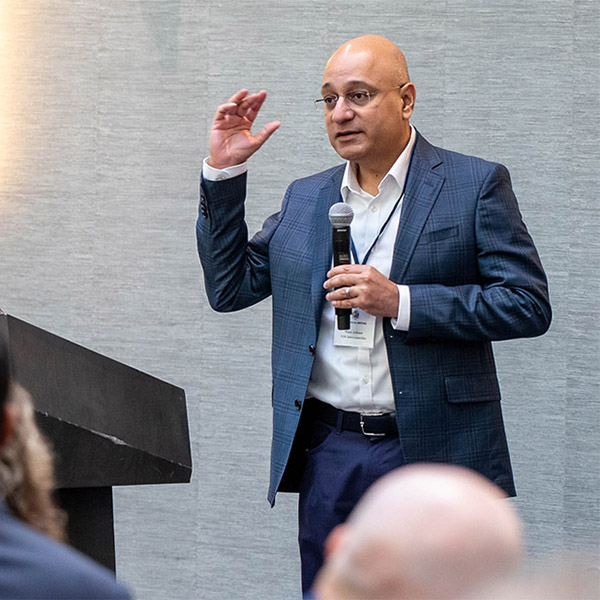
The PJM Members Committee voted against each of the dozen proposals brought to address rising data center load as part of the RTO’s Critical Issue Fast Path process.

© RTO Insider
FERC Chair Laura Swett presided over her first monthly open meeting at the helm of the commission, giving her a chance to set the tone for her tenure.
Want more? Advanced Search