Base Residual Auction (BRA)

Shutterstock
PJM announced it will seek to establish a $325/MW-day price cap on capacity prices and a $175/MW-day floor for the 2026/27 and 2027/28 Base Residual Auctions following discussions with Pennsylvania Gov. Josh Shapiro to resolve a complaint he filed over increased capacity costs.

© RTO Insider LLC
PJM is in discussions with Pennsylvania Gov. Josh Shapiro to work toward a resolution on his complaint to FERC asking it to lower the price cap of the RTO’s capacity market.

Commonwealth of Pennsylvania
Pennsylvania Gov. Josh Shapiro urged PJM Chair Mark Takahashi to “intervene with” RTO leadership to revise the design of the capacity market before conducting the 2026/27 BRA to avoid an “unacceptable” increase in capacity market prices.
Shutterstock
Pennsylvania Gov. Josh Shapiro filed a complaint with FERC on behalf of the state asking the commission to revise how the maximum clearing price in PJM's capacity auction is determined.
© RTO Insider LLC
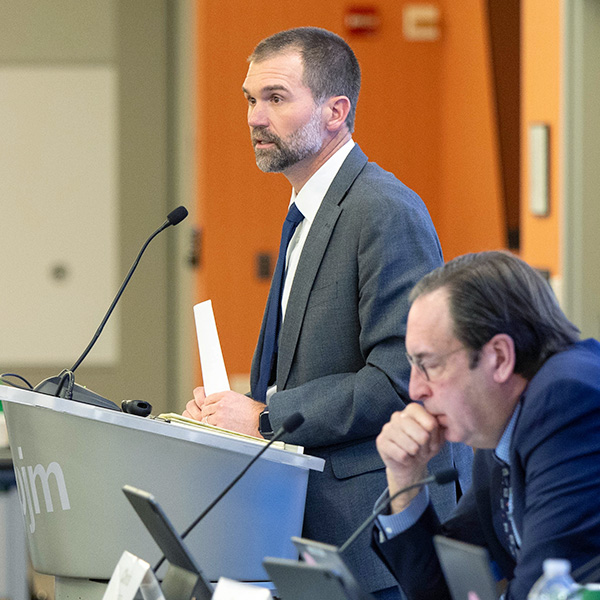
PJM's Adam Keech told the Market Implementation Committee the RTO plans to file governing document revisions with FERC to expand the requirement that resources must offer into the capacity market to also apply to all resources holding capacity interconnection rights.
PJM
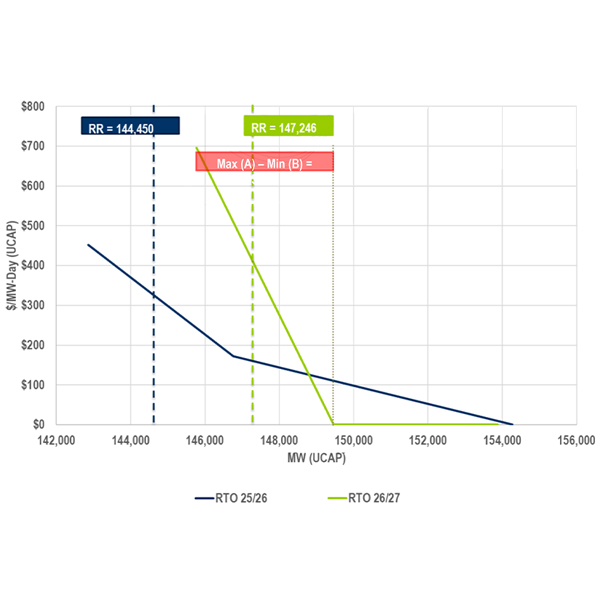
Several state consumer advocates filed a complaint at FERC alleging PJM’s capacity market is failing to mitigate market power, overestimating future load and producing high clearing prices that generation owners cannot act on.

Talen Energy
FERC approved a PJM waiver request to offset the RTO’s capacity auction schedule by six months starting with the 2026/27 Base Residual Auction.
© RTO Insider LLC
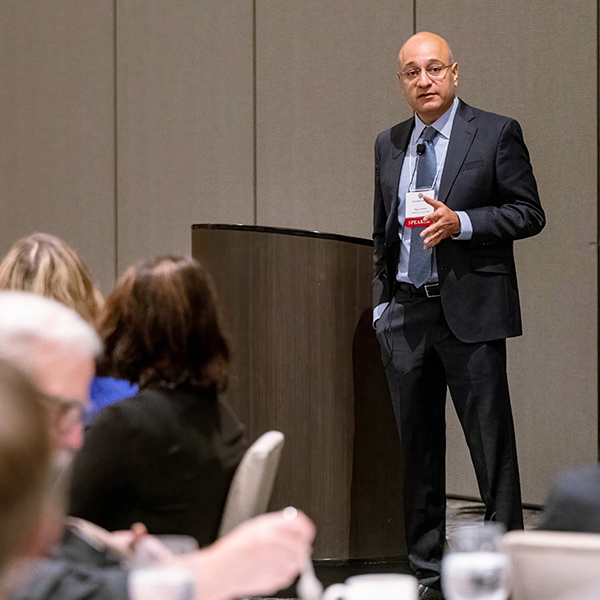
Panels during the OPSI Annual Meeting discussed the 2025/26 capacity auction yielding an eightfold jump in prices, as well as possible changes to the subsequent auction.

PJM
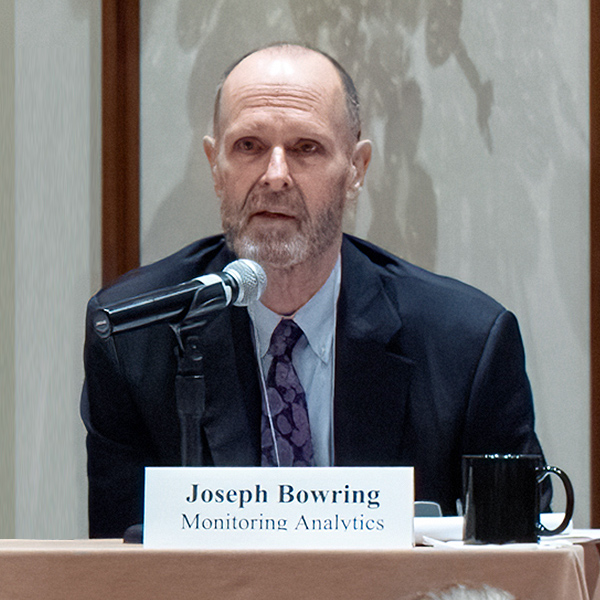
The second leg of the Independent Market Monitor's analysis on PJM's 2025/26 Base Residual Auction looked at the impact of not counting reliability-must-run resources as capacity, paired with several other factors.
© RTO Insider LLC
The Market Implementation Committee rejected a PJM issue charge that envisioned adding notice that Base Residual Auction rules are subject to change, with two-thirds of stakeholders opposed.
Want more? Advanced Search