CAISO is finalizing a set of changes to its resource adequacy program, with plans to vote on three proposals at an upcoming Board of Governors meeting,
The PJM Board of Managers initiated a Critical Issue Fast Path process aimed at maintaining resource adequacy in the face of rising data center load growth, asking stakeholders to draft proposals to serve 32 GW of load growth expected by 2030.
SPP’s REAL Team has endorsed RTO staff’s framework for demand response, allowing the grid operator to bring it forward to the quarterly governance meetings in July and August and to then begin drafting the tariff change.
The Texas Reliability Entity has added key risks related to artificial intelligence and large loads as part of its annual reliability and regional risk assessment of the ERCOT grid.
SPP has dumped its “evolutionary, not revolutionary” value principle and is working to make things happen quickly in order to meet the pace of industry change.
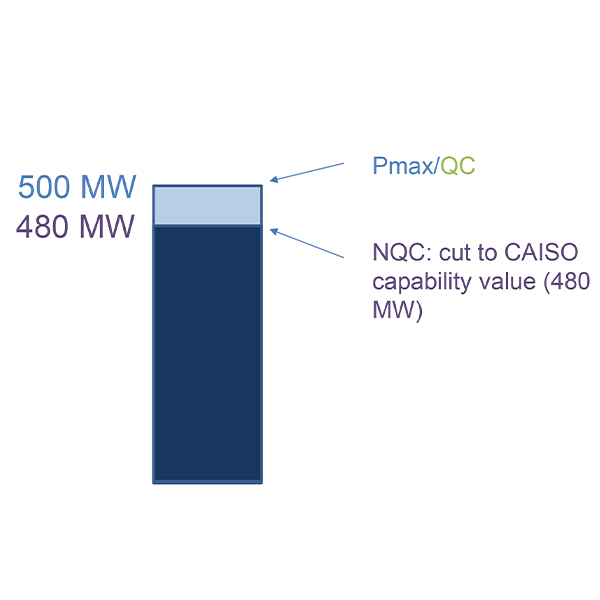
CAISO is proposing a new method for verifying how much energy thermal resources can provide during peak conditions on California’s grid for resource adequacy purposes.
NPCC's Summer Reliability Assessment found that the region generally has enough resources to meet demand this summer, though weather patterns could strain grid operators.
SPP’s Board of Directors approved a tariff change that creates a one-time study outside the grid operator’s normal planning process over the concerns on independent power producers.
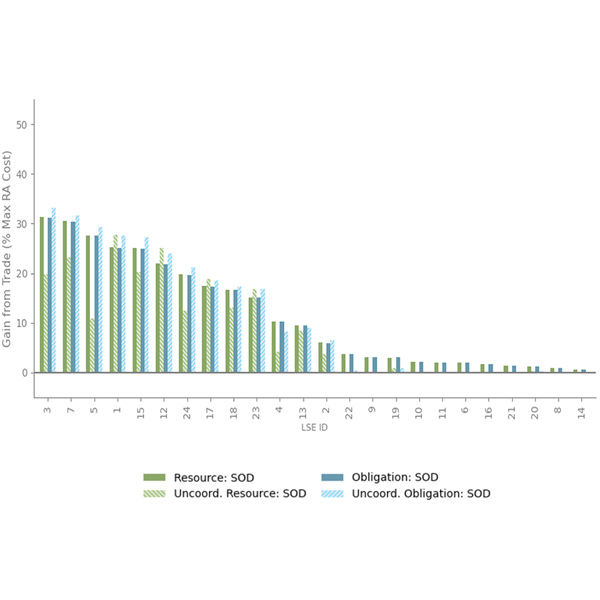
The cost of electricity in California could be reduced if energy providers were allowed to trade power by the hour, a new study by the California Community Choice Association says.
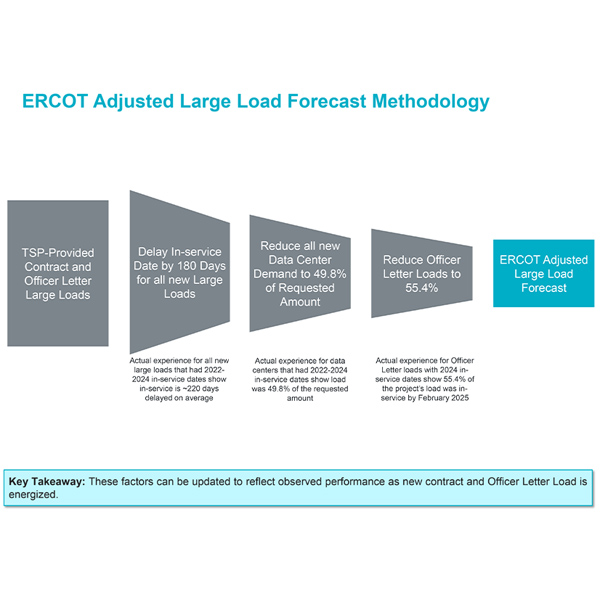
ERCOT has unveiled a long-term load forecast for 2031 that adjusts projections provided by transmission providers and accounts for the uncertain nature of data centers and other large users.