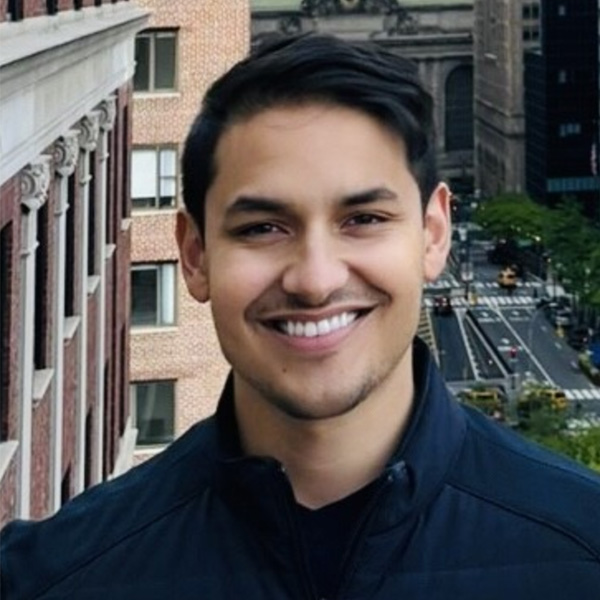
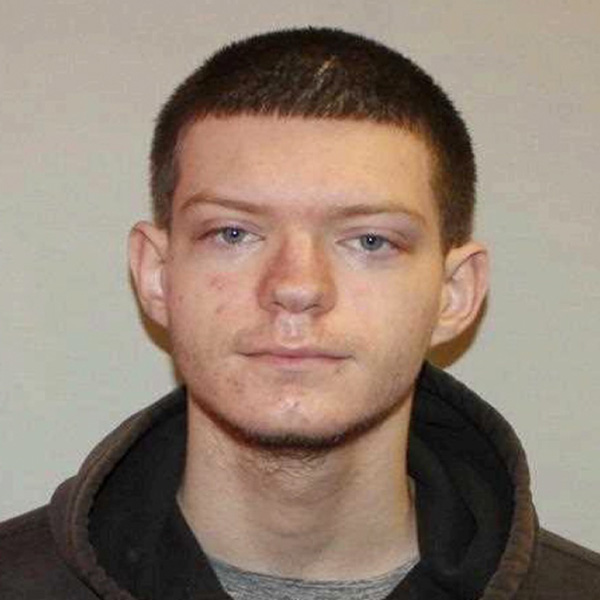
The New York native who drove a car into a Los Angeles Department of Water and Power substation in Nevada left an array of data points, but no clear ideological motivation behind his action has emerged, law enforcement officials said.
Police found 23-year-old Dawson Maloney of Albany, N.Y., inside the fence of the Boulder City substation Feb. 19, following reports from a 911 caller of a car accident and gunshot, Sheriff Kevin McMahill of the Las Vegas Metropolitan Police said in a news conference Feb. 20. Maloney was holding a shotgun and died of “an apparent self-inflicted gunshot wound,” McMahill continued. He also was wearing body armor.
Surveillance video from the substation showed Maloney’s car, a Nissan Sentra bearing New York plates that he had rented in Albany on Feb. 12, driving through the facility’s fence. When officers found the car, it was stopped against several spools of industrial wire. Other weapons were found inside the car, including firearms and objects that McMahill described as homemade flamethrowers, but officers “cleared the vehicle for secondary threats.”
Tim Shea, chief of the Boulder City Police Department, said there was “no indication of major damage to any of the critical infrastructure” at the facility, and no known interruptions to service as a result of the incident. The substation connects generation facilities at Hoover Dam with Los Angeles.
The FBI’s offices in Las Vegas and New York are assisting the Boulder and Las Vegas police departments with the case, which is being treated as an act of terrorism, Christopher Delzotto with the FBI Las Vegas office said. Agents in New York, working with local law enforcement, executed search warrants at two homes in Albany. They recovered electronic equipment, which is being analyzed by law enforcement, along with gun components and a 3D printer.
The motivations of the attacker have been difficult to determine, McMahill said, although he apparently made statements to his mother before the incident about being seen “on the news” and calling himself “a dead terrorist.”
In a hotel room rented by Maloney, Boulder police found several documents. These included pamphlets from the U.S. military on survival behind enemy lines and improvised weapons, along with books on magic from the 17th century and novels by right-wing extremist Mike Mahoney promoting anti-government terrorism and white supremacy.
Asked if police had uncovered anything in Maloney’s background to indicate why he would attempt such an attack, McMahill said investigators are sifting through “all the computers, all the documents [and] this smorgasbord of radical literature.”
Range of Ideologies in Grid Incidents
“This is something that we have seen in the last couple of years, that individuals will take very left-wing ideology, very right-wing ideology, combine it with [the] occult and a number of different types of things, and then they come up with their own ideology,” McMahill said.
He compared Maloney’s attack to a 2023 incident, in which Mohammed Mesmarian, a dentist from Colorado, rammed his car through a fence at Invenergy’s Dry Lake Solar Plant northeast of Las Vegas, also called the Mega Solar Array. According to police, Mesmarian set the car on fire, then managed to get it moving and watched it drive into a pit beneath the plant’s main transformer. Mesmarian left while the car was burning, having been in the facility for about nine hours with no employees present. (See Suspect in Vegas Solar Array Damage: Act was Protest Against Old Tech.)
At the time of his arrest, Mesmarian claimed he committed the vandalism as an act of protest against polluting technology, but he seemed confused about the facility’s function, referring to the transformer as a “computer” and claiming the plant was built or run by Tesla, among other inaccuracies. He later pleaded guilty but mentally ill to charges of felony arson and property destruction, citing the loss of his marriage and business as sources of mental stress, and was sentenced to two to 10 years in prison along with more than $200,000 in restitution.
The electric grid continues to be a tempting target for politically motivated vandals, with multiple completed or planned attacks in recent years. Far-right ideology has been a common thread in many incidents, including a plot by neo-Nazi leader Brandon Russell to destroy electric substations in Baltimore in hopes of sparking a civil war in 2023. (See Neo-Nazi Convicted in Baltimore Grid Attack Conspiracy.) Skyler Philippi of Tennessee was arrested in 2024 for attempting to use bomb-laden drones to destroy a facility near Nashville; he pleaded guilty the following year.
Attacks also might be motivated by foreign policy, as with the 2022 bombings of transformers in San Jose owned by Pacific Gas and Electric by computer engineer Peter Karasev. Prosecutors said Karasev, who was sentenced in December 2025 to 10 years in federal prison, was upset by the ongoing conflict between Ukraine and Russia; he has family connections to both countries.