RTO Insider
AESOCAISO/WEIMCAISO Board of GovernorsCalifornia Agencies & LegislatureCalifornia Air Resources Board (CARB)California Energy Commission (CEC)California LegislatureCalifornia Public Utilities Commission (CPUC)EDAMOther CAISO CommitteesWestern Energy Imbalance Market (WEIM)WEIM Governing BodyCompany NewsERCOTERCOT Board of DirectorsERCOT Other CommitteesERCOT Technical Advisory Committee (TAC)Public Utility Commission of Texas (PUCT)FERC & FederalIESOIESO Strategic Advisory CommitteeIESO Technical PanelISO-NEISO-NE Consumer Liaison GroupISO-NE Planning Advisory CommitteeNEPOOL Markets CommitteeNEPOOL Participants CommitteeNEPOOL Reliability CommitteeNEPOOL Transmission CommitteeMarketsAncillary ServicesCapacity MarketEnergy MarketReservesVirtual TransactionsMISOMISO Advisory Committee (AC)MISO Board of DirectorsMISO Market Subcommittee (MSC)MISO Planning Advisory Committee (PAC)MISO Regulatory Organizations & CommitteesOrganization of MISO States (OMS)MISO Reliability Subcommittee (RSC)MISO Resource Adequacy Subcommittee (RASC)NYISONY PSCNYISO Business Issues CommitteeNYISO Management CommitteeNYISO Operating CommitteeOther NYISO CommitteesPJMPJM Board of ManagersPJM Market Implementation Committee (MIC)PJM Markets and Reliability Committee (MRC)PJM Members Committee (MC)PJM Operating Committee (OC)PJM Other Committees & TaskforcesPJM Planning Committee (PC)PJM Transmission Expansion Advisory Committee (TEAC)Public PolicyEnvironmental RegulationsReliabilityState & RegionalAlabamaAlaskaArizonaArkansasCaliforniaColoradoConnecticutDelawareDistrict of ColumbiaFloridaGeorgiaHawaiiIdahoIllinoisIndianaIowaKansasKentuckyLouisianaMaineManitobaMarylandMassachusettsMichiganMinnesotaMississippiMissouriMontanaNebraskaNevadaNew HampshireNew JerseyNew MexicoNew YorkNorth CarolinaNorth DakotaOhioOklahomaOntarioOregonPennsylvaniaRhode IslandRTO-IndianaSouth CarolinaSouth DakotaTennesseeTexasUtahVermontVirginiaWashingtonWest VirginiaWisconsinWyomingResourcesDemand ResponseDistributed Energy Resources (DER)Energy EfficiencyEnergy StorageBattery Electric StorageOther Electric StorageGenerationCoalGeothermalHydrogenHydropowerNatural GasNuclear PowerOffshore WindOnshore WindOperating ReservesRooftop/distributed SolarUtility-scale SolarResource AdequacySpecial Reports & CommentaryCommentaryConference CoverageOther CoverageSpecial ReportsSPPMarkets+Other SPP CommitteesSPP Board of Directors & Members CommitteeSPP Markets and Operations Policy CommitteeSPP Regional State CommitteeSPP Seams Advisory GroupSPP Strategic Planning CommitteeWestern Energy Imbalance Service (WEIS)SPP/WEISTransmissionFinancial Transmission Rights (FTR)Transmission OperationsTransmission PlanningTransmission Rates

LADWP
Participants in CAISO’s Extended Day-Ahead Market likely would remain subject to the market’s daily resource sufficiency evaluation even if they joined a new resource adequacy program that’s being crafted.
Grid Strategies
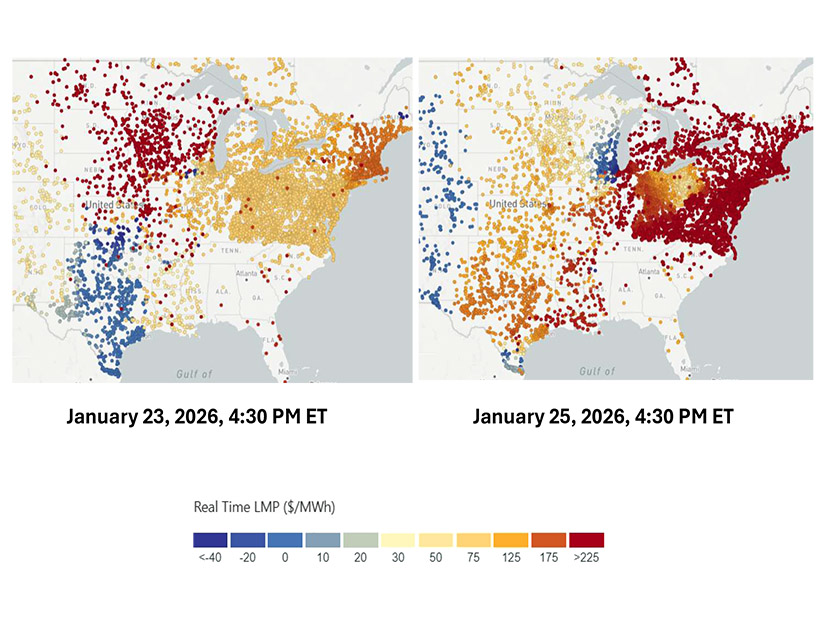
NERC CEO Jim Robb said in congressional testimony that while the bulk power system made it through the late January winter storm reliably, the weather highlighted how at risk it is.
Steven Baltakatei Sandoval, CC BY-SA 4.0, via Wikimedia Commons
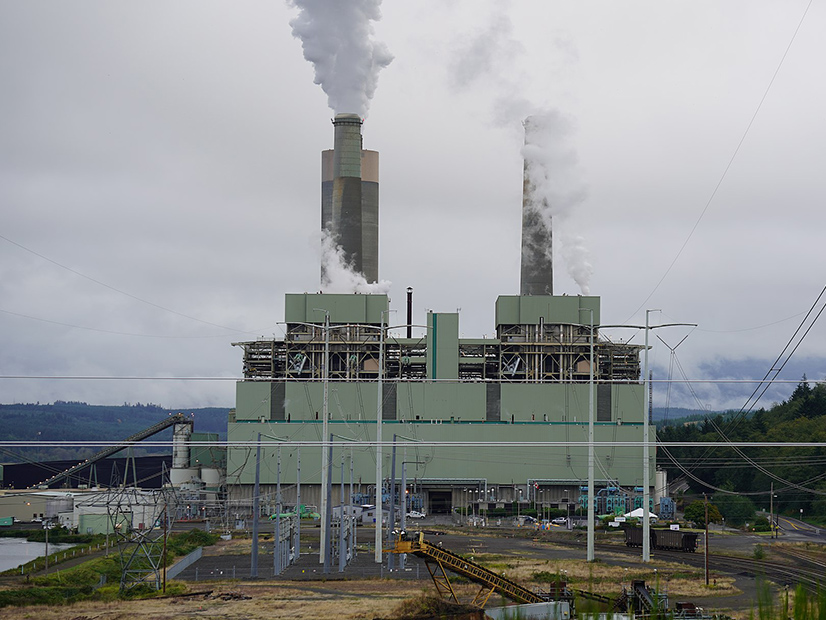
The Department of Energy extended an order that will continue to keep Washington’s last remaining coal-fired plant open past its long-scheduled retirement at the end of 2025.
CAISO
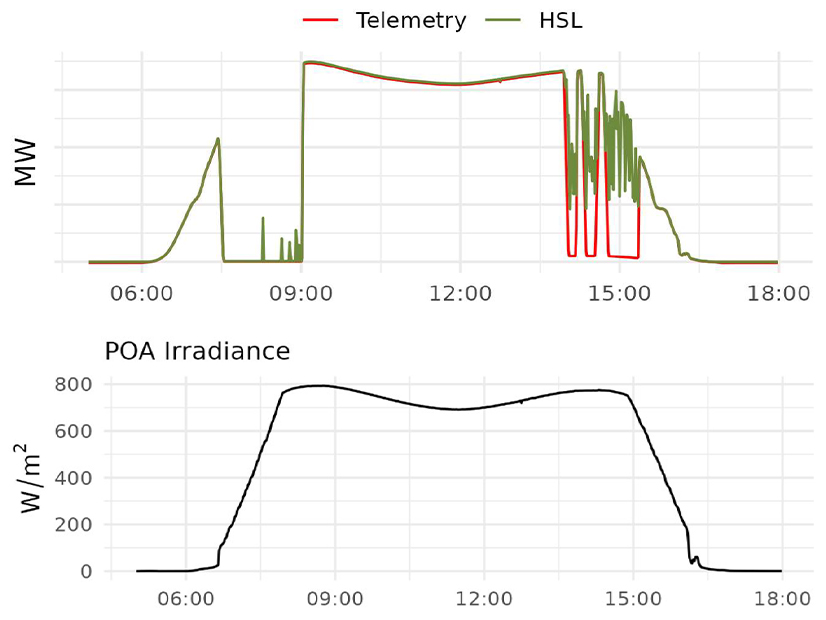
CAISO is proposing new methods to address “poor quality data” from some variable energy resources in the region in order to improve grid forecasting, the ISO said in a straw proposal.
Department of the Interior
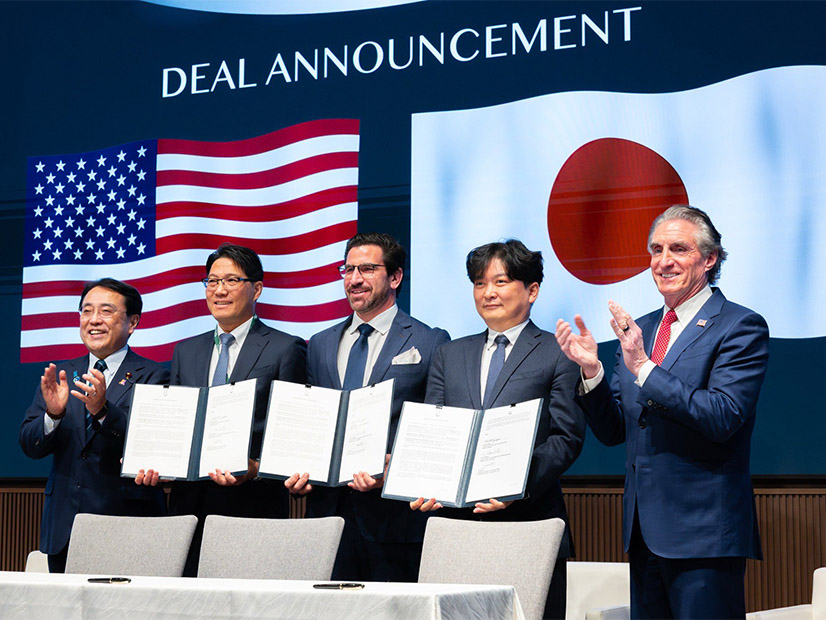
The Trump administration announced energy, technology and resource deals worth $56 billion coming out of an Asia-Pacific energy security summit.
Hitachi Energy
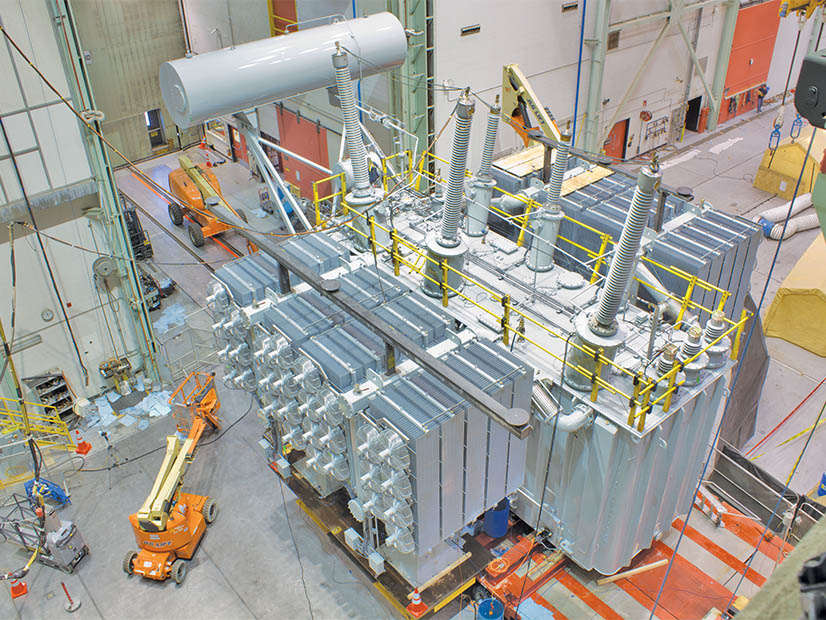
The digital world may be driving much of the growth in electricity demand, but physical limits are shaping how the industry responds. And few limits are more apparent than the shortage of transformers.

© RTO Insider
The PJM Market Implementation Committee endorsed an RTO proposal to establish penalties for load management and price-responsive demand resources that underperform during pre-emergency deployments.

© RTO Insider
The PJM Planning Committee endorsed a quick-fix proposal to include battery storage dispatch in the RTO’s planning models.
© RTO Insider
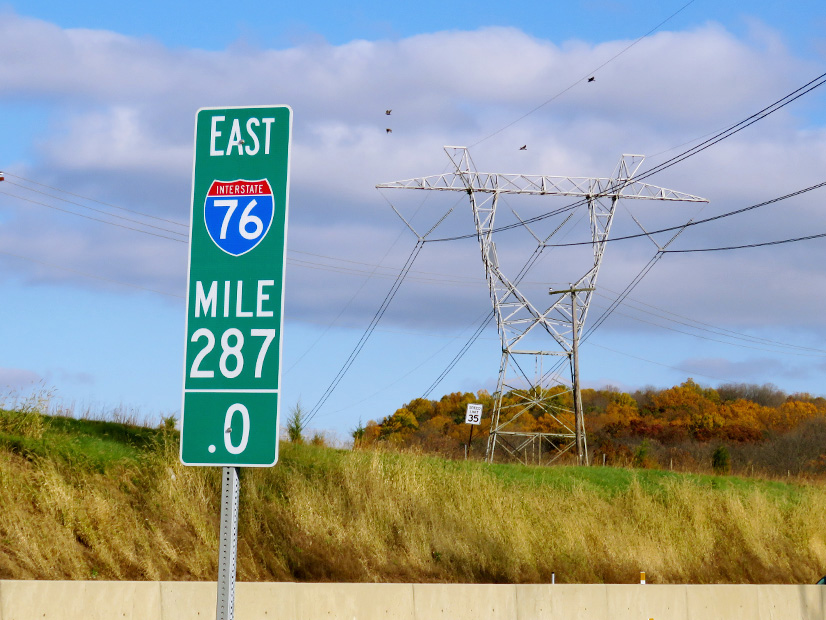
PJM updated stakeholders on how it plans to act on a FERC order requiring it to rework how it determines transmission rates and recalculate rates going back to June 2015.

© RTO Insider
Constellation deferred on asking the Market Implementation Committee to vote on a quick-fix proposal to account for any downtime dual-fuel gas generators may require when switching fuels.
Want more? Advanced Search